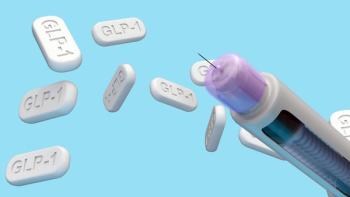
The USPSTF is encouraging clinicians to promote behavioral interventions as the primary weight loss intervention, citing a lack of evidence on the potential harms of long-term medication use.
In draft statement preparation to update its 2017 recommendation, the Task Force reviewed evidence on both behavioral counseling and pharmacotherapy interventions for weight loss or management.
The USPSTF noted that this evidence can be provided in or referred from a primary care setting, and that surgical interventions fall outside of this setting.
A review of 58 randomized control trials (RCTs) was conducted, with 50 of the 58 trials being for behavioral interventions, while 8 reviewed pharmacotherapy interventions including semaglutide, liraglutide, orlistat, and phentermine and topiramate.
According to the data, only semaglutide (Wegovy; Novo Nordisk) was associated with a greater improvement in weight-related quality of life. In most trials, pharmacotherapy was associated with larger mean BMI reduction compared to placebo.
Eight trials (n = 1345) examined adverse effects of pharmacotherapy, which found that gastrointestinal side effects such as gallstones, flatus with discharge, and fecal incontinence were common in patients that received semaglutide, liraglutide, and orlistat.
Serious adverse effects were rare in each pharmacotherapy trial, however, the Task Forces noted that no evidence on adverse effects were available beyond 1 month after medication discontinuation, and no longer than 17 months for any medication.
Of the 50 behavioral intervention trials, 18 (n = 2539) examined the harms of behavioral interventions. No trials, with outcomes reported 6 to 12 months after baseline assessments, found an increased risk of any adverse event. Decreases in self-esteem, body satisfaction, or disordered eating were also not found.
The USPSTF’s draft recommendation of comprehensive, intensive behavioral interventions differs from the American Academy of Pediatrics (AAP) 2023 guideline,that includes comprehensive treatment of high BMI with pharmacotherapy for children younger than 13 years and consideration of bariatric surgery for adolescents, in addition to improved nutrition, physical activity, and behavioral therapy.
The AAP guidance, released in January 2023, stated that primary care physicians should oversee ongoing medical monitoring, intensive and long-term care strategies, and treatment for obese children and adolescents.2
The Task Force concluded with “moderate certainty that offering or referring children and adolescents age[d] 6 years or older with a high BMI to comprehensive, intensive behavioral interventions has a moderate net benefit.”
References:
- High body mass index in children and adolescents: interventions. United States Preventive Services Task Force. December 12, 2023. Accessed December 13, 2023. https://www.uspreventiveservicestaskforce.org/uspstf/draft-recommendation/high-body-mass-index-children-adolescents-interventions
- Krewson C. AAP releases guideline on evaluating and treating pediatric obesity. Contemporary Pediatrics. January 10, 2023. Accessed December 13, 2023. https://www.contemporarypediatrics.com/view/aap-releases-guideline-on-evaluating-and-treating-pediatric-obesity