






Mental, Behavioral and Development Health
Latest News
Advertisement
Video Series

Latest Videos





Shorts

0:40
Why napping after school is a mistake
7 days ago
by
Rashi Kochhar, MD

0:39
Stop doing this to your sleep on weekends
13 days ago
by
Rashi Kochhar, MD
0:31
5 signs your child has a sleep disorder
21 days ago
by
Rashi Kochhar, MD
0:34
Why you must stop using screens before bed
a month ago
by
Rashi Kochhar, MD

0:33
The truth about your teen's sleep schedule
a month ago
by
Rashi Kochhar, MD

0:33
Surprising research findings on anxiety medication
a month ago
by
Bradley Peterson, MD

0:37
How dark mornings impact teenagers at school
a month ago
by
Dawn Dore-Stites, PhD

0:44
When to adjust your child's anxiety treatment
a month ago
by
Bradley Peterson, MD

0:43
Why experts want Standard Time, not Daylight Savings
a month ago
by
Dawn Dore-Stites, PhD

0:31
Racial disparities in anxiety treatment response
2 months ago
by
Bradley Peterson, MD
Podcasts




Advertisement
More News

John Walkup, MD, says pediatricians can address growing mental health needs by identifying risk factors and providing guidance early in childhood.

Permanent daylight saving time could affect pediatric sleep, with later evening light posing particular concerns for children and adolescents.
Permanent daylight saving time could disrupt children's circadian rhythms, affecting sleep, school performance, mood, and morning safety.

Pediatric psychologist Jeff Temple, PhD, explains how pediatricians can help families establish healthy routines and more intentional screen use.

A collaborative mental health program increased pediatricians' diagnosis, follow-up, and treatment of anxiety and depression in primary care.

A large prospective US cohort study found no evidence that neonatal medical male circumcision was associated with autism diagnosis or autism traits.

CTx-1301 improved clinician-rated ADHD symptoms versus placebo in a phase 3 pediatric trial, but detailed safety data remain limited.

Pediatric psychologist Jeff Temple, PhD, says healthy routines, parental modeling, and child maturity matter more than screen time alone.
Temple recommends structured back-to-school routines and intentional screen use instead of strict limits to support child well-being.

The FDA has approved novel norepinephrine, dopamine, and serotonin reuptake inhibitor (NDSRI) centanafadine for ADHD in children, adolescents, and adults

First RCT in pediatric ARFID finds family-based and individual therapy both cut symptoms; family therapy also drove more weight gain.

A small study links sequential bilateral TMS to improved depression and suicidality scores in youth with TRD.

Research suggests childhood factors linked to later menarche may contribute to a wide range of adult health conditions, from heart disease to tobacco use disorder.

A new Surgeon General advisory links excessive screen use to developmental, mental, physical, and academic risks in children and adolescents.

Mental health diagnoses are appearing in more pediatric primary care visits, with anxiety showing the largest increase over the past decade.

Adolescents spent an average of 50 minutes on smartphones during school nights, with social media accounting for most use.

Yoshi Rothman, MD, said growing leucovorin use in autism highlights the need for larger clinical trials and careful family counseling.
Study finds leucovorin prescribing for children with autism increased more than 2,000% after national media coverage and White House promotion.

Children with anxiety, depression, and social needs had higher odds of health-related school absenteeism, according to a new study.

After accounting for maternal mental health conditions, a new meta-analysis found no significant link between prenatal antidepressant exposure and autism or ADHD in children.

Hannah Murphy, PhD, of Vizient, discusses recent research that found children with diabetes had substantially higher rates of mental health disorders and suicide risk.

Researchers at Children’s Healthcare of Atlanta and Georgia Tech are testing an AI tool to detect worsening teen mental health online.
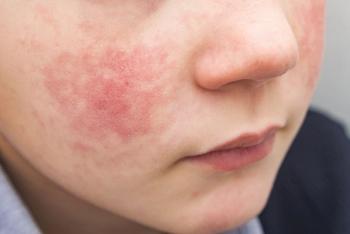
Chronic pediatric skin disorders cause significant stigma, bullying, depression, and suicide risk—conditions often underrecognized and undertreated by physicians.

Researchers identified macrophage-driven dural lymphatic refinement as a potential regulator of social behavior in ASD models.

Rethink foster placements for high-need youth: track “safe days,” use data-driven supports, and access timely residential care to prevent harm.
Advertisement
Advertisement
Trending on Contemporary Pediatrics
1
Testosterone changes linked to emotional distress in pubertal girls
2
Tezepelumab sustains EoE remission through 52 weeks
3
Recognizing skin conditions in children with darker skin tones
4
Infant skin care: Choosing products that protect the skin barrier
5