

A study found no association with prenatal antibiotic use and only a modest, potentially confounded increase in type 1 diabetes risk following early childhood exposure.
A study found no association with prenatal antibiotic use and only a modest, potentially confounded increase in type 1 diabetes risk following early childhood exposure.

Data show children in disaster-displaced households have greater mental health needs but are less likely to receive complete care vs nondisplaced peers.

Fewer pediatric lung transplants are expected worldwide because of advances in cystic fibrosis therapies, but remaining cases are becoming more complex.

A national poll highlights low physical activity rates among young adults aged 18 to 25 years.

In a longitudinal pediatric cohort, elexacaftor/tezacaftor/ivacaftor was associated with increased vitamin D levels and altered vitamin A supplementation response.

Get caught up with Contemporary Pediatrics. This list helps you navigate our top stories from the week, all in one place.

A review suggests that early use of topical calcineurin inhibitors, corticosteroids, and phototherapy can achieve moderate repigmentation in segmental vitiligo.

The FDA has approved landiolol for patients younger than 18 years with supraventricular tachycardia, expanding access.

The FDA will review a supplemental application for delgocitinib cream in patients aged 12 to 17 years, supported by phase 3 data showing improved outcomes.

Adolescent and young adult cancer survivors face a 2-fold increased risk of developing new primary malignancies, with persisting risk.
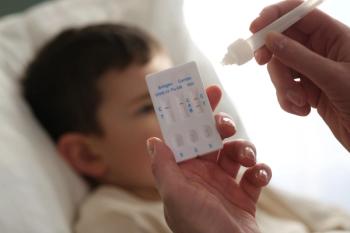
An analysis found nirsevimab was associated with substantial reductions in RSV-related hospitalizations among preterm infants and those with congenital heart disease.
Get caught up with Contemporary Pediatrics. This list helps you navigate our top stories from the week, all in one place.

A review of 6 novel drugs approved by the FDA, with links to coverage from Contemporary Pediatrics and other MJH Life Sciences brands.

New guidance from the American Academy of Dermatology outlines evidence-based strategies for preventing and managing atopic dermatitis in children.

A study of children born preterm found that costs are highest in infancy and shift toward nonmedical and social support expenditures in later childhood.

A study found an initial decline in neurodevelopmental diagnoses during COVID-19 followed by a sustained postpandemic increase.

Combined use of nirsevimab and maternal RSV vaccination was associated with a 43% reduction in RSV-related hospitalizations and ED visits among infants.

In a recent study, later age at ADHD diagnosis was associated with lower GPA, reduced academic attainment, and greater school dropout rates.

Updated guidance outlines triglyceride thresholds that distinguish ASCVD vs pancreatitis risk and inform targeted management strategies in children.
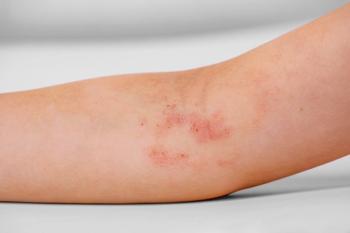
A study found that maternal type 1 diabetes mellitus was independently associated with a modest but significant increase in atopic dermatitis risk in offspring.

One-year phase 3 data suggest that switching to donidalorsen maintains reduced attack rates and improves quality of life in patients with hereditary angioedema.

Adding short-course intravenous methylprednisolone to IVIG was associated with faster recovery and reduced neuropathic pain in children with Guillain–Barré syndrome.

In a recent study, children who tapered low-dose atropine before stopping experienced significantly less posttreatment myopia progression and axial elongation vs those who stopped abruptly.

Infants with food protein–induced enterocolitis syndrome showed distinct gut microbial composition.
Get caught up with Contemporary Pediatrics. This list helps you navigate our top stories from the week, all in one place.

Research shows that combining AI models with human expertise significantly boosts diagnostic performance, particularly for rare diseases.

New consensus recommendations outline diagnostic strategies and management considerations for recurrent wheezing in children younger than 3 years.

Despite a surge in FDA approvals for AI-enabled medical devices, a recent study reveals that devices with pediatric indications are uncommon.

A new study reveals that items such as bleach and detergent packets send a child 5 years or younger to the emergency department every 35 minutes.

Identifying specific cognitive-linguistic deficits in kindergarten can predict early- and late-emerging dyslexia.

February 19th 2026

November 23rd 2022

January 27th 2026

April 2nd 2026
November 15th 2022

October 3rd 2022