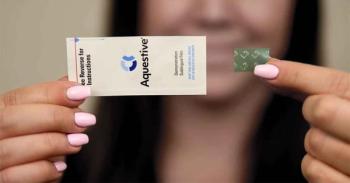
DBV filed a BLA for the Viaskin peanut patch in peanut-allergic children aged 4-7, citing phase 3 VITESSE data, and requested priority review.
Adding short-course intravenous methylprednisolone to IVIG was associated with faster recovery and reduced neuropathic pain in children with Guillain–Barré syndrome.
Short-course intravenous methylprednisolone has been linked to early benefits when used alongside intravenous immunoglobulin (IVIG) among pediatric patients with Guillain-Barré syndrome (GBS), according to a recent study published in Scientific Reports.1
GBS, presenting as immune-mediated demyelination or axonal injury of peripheral nerves, is the most common source of acute flaccid paralysis in children. Robust data support IVIG for treatment, making it the most common management method used.2 However, early data have indicated potential for improved benefits using methylprednisolone.1
“Though evidence remains limited and requires cautious interpretation in severe or rapidly progressive cases,” wrote investigators.
The prospective, comparative study was conducted to evaluate the impact of combination short-course methylprednisolone and IVIG in pediatric patients with GBS. Children aged 1 to 18 years diagnosed with GBS based on electrophysiological criteria and with a baseline Hughes Disability Scale score of 3 or greater were eligible for inclusion.
Exclusion criteria included prior GBS episodes, significant comorbidities, and contraindications to IVIG or corticosteroids. Standardized laboratory testing was completed in all patients at baseline, including renal and hepatic function tests, complete blood count, urinalysis, and cerebrospinal fluid analysis.
Patients were placed in either group A to receive IVIG at 1/g/kg/day for 2 consecutive days, or group B to receive the same IVIG regimen alongside 30 mg/kg/day or intravenous methylprednisolone for 5 consecutive days.
Assessments were performed at baseline, weekly for the first month, biweekly up to 12 weeks, and monthly up to 6 months. The time to unaided walking, change in Hughes Disability Scale score, and duration of hospitalization were reported as primary outcomes.
Secondary outcomes included the time to initial change response, need for mechanical ventilation, persistence of neuropathic pain, relapse rate, and treatment-related adverse events. The final analysis included 28 children, 14 of whom were randomly assigned to group A and 14 to group B.
Participants were aged a mean 6.5 ± 2.1 years, with no significant differences reported between groups. There were also no significant differences in clinical severity between groups, and both groups had a balanced sex distribution.
Group B reported a reduction in their mean duration of hospitalization vs group A, at 9.86 ± 2.96 days vs 12.0 ± 4.08 days, respectively. This difference was not indicated as statistically significant.
However, a significantly faster recovery was reported in group B vs group A, at 3 vs 4.5 days, respectively. There was also a nonsignificant reduction in the need for mechanical ventilation in group B, with a rate of 28.6% vs 42.9% in group A.
At admission, group A reported a median Hughes Disability Scale score of 3.5 vs 3 in group B. These scores significantly improved to 1.5 and 1, respectively, by week 4. By 3 months, the improvement in group B was significantly greater than that in group A, at 0 vs 1, respectively.
This group also reported a reduction in the time to unaided walking, but this was not statistically significant. Only 7 patients experienced relapse, with no significant differences between groups.
There were no cases of posttreatment neuropathic pain in group B, vs a rate of 57.1% in group A. Adverse events were manageable in both groups, indicating overall benefits from intravenous methylprednisolone alongside IVIG to treat pediatric patients with GBS.
“We cautiously recommend further exploration of adjunctive methylprednisolone in pediatric GBS, particularly in resource-limited settings,” wrote investigators.
References