Topical botanical Cinainu earned FDA Breakthrough Therapy status for AA in patients aged 2+, supported by phase 2/3 RAAINBOW data in children.
A pooled ADORING trial analysis found tapinarof cream improved skin clearance by week 2 across ages 2 through adulthood in atopic dermatitis.
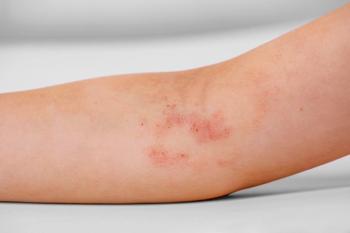
New age-stratified findings from the ADORING 1 and ADORING 2 phase 3 trials show that tapinarof cream, 1% (VTAMA; Organon), produced skin-clearance improvements as early as week 2 that persisted through the 8-week treatment period across 4 age groups, from children as young as 2 years to adults with moderate to severe atopic dermatitis. The post hoc pooled analysis, presented at the 2026 Society for Pediatric Dermatology (SPD) Annual Meeting in Minneapolis, is the first to break out Validated Investigator Global Assessment for Atopic Dermatitis (vIGA-AD) and Eczema Area and Severity Index (EASI75) response data by pediatric age subset alongside adult outcomes.1
“Patients can experience atopic dermatitis differently across all stages of life,” said Luz Fonacier, MD, professor in the Department of Medicine at NYC Grossman Long Island School of Medicine and lead author of the poster presented at SPD. Fonacier noted that age-stratified data give clinicians “real confidence in how we counsel patients and families” when treatment decisions may differ between a toddler, a teenager, and an adult.
ADORING 1 and ADORING 2 randomized 813 patients 2 years and older with moderate to severe atopic dermatitis 2:1 to once-daily tapinarof cream or vehicle for 8 weeks. The new analysis stratified outcomes into four groups: ages 2 to 6, 7 to 11, 12 to 17, and 18 and older; most enrolled patients (80.4%) were pediatric. At week 8, vIGA-AD response rates favored tapinarof over vehicle in every stratum, ranging from 38.0% vs 18.1% in adults to 56.3% vs 11.8% in children aged 2 to 6 (P < .0001 for the youngest and oldest pediatric groups). EASI75 responses followed a similar pattern, with the largest treatment difference again seen in the youngest children (70.2% vs 20.5%). Improvement was evident at week 2, the first post-treatment assessment, in all pediatric strata.1
The most frequently reported treatment-emergent adverse events were folliculitis, headache, and nasopharyngitis, generally mild to moderate in severity, and discontinuations due to treatment-related adverse events were less frequent with tapinarof than with vehicle. These findings are consistent with the safety profile described in the drug's labeling, which lists upper respiratory tract infection, folliculitis, headache, and gastrointestinal events among the most common reactions in the atopic dermatitis trials.1,2
Tapinarof cream, an aryl hydrocarbon receptor agonist, was first approved for plaque psoriasis in adults in 2022 and received an additional indication in December 2024 for atopic dermatitis in adults and children 2 years and older, making it the only steroid-free topical AhR agonist approved for both conditions.2 It carries no restrictions on treatment duration or body surface area and no boxed warnings, distinguishing it from topical calcineurin inhibitors and corticosteroids. The 2026 American Academy of Dermatology guideline update gave tapinarof cream a strong recommendation for pediatric and adult atopic dermatitis, reflecting accumulating trial and real-world evidence.3