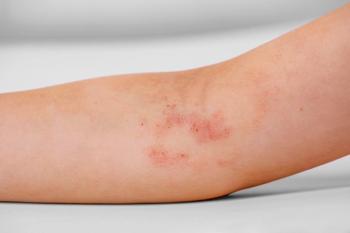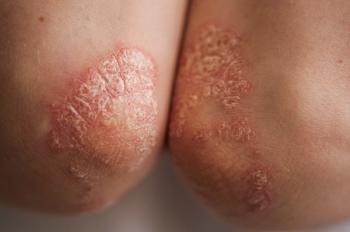

A meta-analysis of 52 studies links NO2, SO2, and particulate matter to more pediatric atopic dermatitis visits and higher prevalence.
Emily Becker, MD, discusses the role of AhR agonists, skin barrier function, and steroid-free treatment options for pediatric atopic dermatitis.
Chronic inflammatory skin diseases, including atopic dermatitis (AD) and plaque psoriasis, can present ongoing management challenges for patients and clinicians, particularly when symptoms persist despite treatment. Although reducing inflammation remains a primary goal of therapy, growing attention to the roles of immune dysregulation and skin barrier dysfunction has contributed to the development of new treatment approaches.
One emerging therapeutic approach involves targeting the aryl hydrocarbon receptor (AhR), which plays a role in regulating inflammatory responses and skin barrier function. Tapinarof cream, 1% (VTAMA), is a first-in-class, steroid-free topical AhR agonist approved by the FDA for the treatment of plaque psoriasis in adults and AD in adults and children aged 2 years and older. Preclinical research suggests that tapinarof may influence inflammatory cytokine production and the expression of proteins involved in maintaining the skin barrier, although its precise therapeutic mechanisms remain unknown.
In this Q&A with Contemporary Pediatrics, Emily Becker, MD, FAAD, FAAP, a pediatric dermatologist, discusses the role of AhR agonists in clinical practice, the potential benefits of targeting both inflammation and skin barrier dysfunction, and how newer steroid-free treatment options may fit into the management of pediatric AD. Becker also explores the importance of treatment simplicity and flexibility for children and their caregivers when managing chronic inflammatory skin conditions.
Emily Becker, MD, FAAD, FAAP: The aryl hydrocarbon receptor (AhR) is highly expressed in epithelial and immune cells of barrier tissues such as the skin, gastrointestinal tract, and lungs. Activating the AhR pathway can promote a balanced immune response by reducing proinflammatory cytokines, including the Th2 cytokines involved in atopic dermatitis. AhR activation can also increase the expression of genes that encode skin barrier proteins, such as filaggrin, and genes that are involved in ceramide production.
This dual focus on immune dysregulation and skin barrier dysfunction reflects the complex, multifactorial nature of chronic inflammatory skin diseases, in which both are recognized as key drivers.
VTAMA (tapinarof) cream, 1%, is the only AhR agonist indicated for the treatment of atopic dermatitis in adults and pediatric patients aged 2 years and older.The specific mechanisms by which VTAMA exerts its therapeutic actions are unknown.
Becker: The American Academy of Dermatology (AAD) provided a strong recommendation for the use of VTAMA (tapinarof) cream, 1%, in its first-ever guidelines for pediatric atopic dermatitis. VTAMA is a steroid-free topical with no-to-minimal systemic absorption, and it has no label warnings, precautions, contraindications, or restrictions on duration of use and treatment location. VTAMA is for topical use only. It is not for oral, ophthalmic, or intravaginal use.
For ongoing atopic dermatitis management, VTAMA is proven to deliver sustained results:
Ultimately, treatment practicality can play an important role in long-term adherence. VTAMA has once-daily application that can be used across all disease severities, skin tones, and affected skin areas.
Becker: As understanding of the pathophysiology of inflammatory skin diseases evolves, interest in therapeutic approaches targeting different pathways involved in disease pathogenesis continues to grow. Understanding both the skin barrier dysfunction and immune dysregulation components is important.
In preclinical (in vitro, ex vivo, and mouse model) studies, tapinarof, the active ingredient in VTAMA, was shown to decrease proinflammatory cytokines and increase expression of genes that encode skin barrier proteins. This may lead to an anti-inflammatory effect and potential skin barrier restoration. The specific mechanisms by which VTAMA exerts its therapeutic actions are unknown. When evaluating adequate control, one factor pediatricians may consider is the longevity of skin clearance. In adults and pediatric patients 2 years of age and older receiving topical treatment for atopic dermatitis, clinical data show that those who achieved clear skin with VTAMA maintained an average duration of approximately 2.5 months (80 consecutive days) of disease control off therapy.
Becker: For many patients, especially pediatric patients living with atopic dermatitis and their caregivers, treatment practicality can play an important role in long-term adherence and disease management. Healthcare providers increasingly recognize that therapies that are easier to incorporate into everyday routines may help support more consistent treatment use and improve the overall patient experience. Treatment simplicity matters to patients and their caregivers. VTAMA cream is applied just once a day, which may help patients and caregivers stay on track with their treatment regimen. It can also be used across all severities of atopic dermatitis (mild, moderate, and severe), skin tones, and treatment areas, including sensitive skin areas such as the face, armpits, and skin folds. VTAMA cream has no label restrictions on duration of use or treatment location. However, VTAMA is for topical use only and is not for oral, ophthalmic, or intravaginal use.
Becker: Patients or caregivers who are interested in a steroid-free, once daily topical may consider VTAMA. VTAMA is the first and only FDA-approved AhR agonist approved for the treatment of atopic dermatitis in adults and pediatric patients 2 years and older. VTAMA has no label warnings, precautions, or contraindications, and no restrictions on duration of use. It is also indicated across all disease severities (mild, moderate, and severe atopic dermatitis).
In atopic dermatitis, the most common adverse reactions (incidence ≥1%) in patients treated with VTAMA were upper respiratory tract infection, folliculitis, lower respiratory tract infection, headache, asthma, vomiting, ear infection, pain in extremity, and abdominal pain.