



Nutrition
Latest News


GLP-1 receptor agonists tied to nutritional deficiencies in children, study finds
Advertisement
Latest Videos


Shorts

1:04
Helping kids eat safely this summer
21 days ago
by
Colleen Sloan, PA-C, RDN

1:31
Fiber, fluid, and flow: Tackling nutrition during summer travel
2 months ago
by
Colleen Sloan, PA-C, RDN

1:11
Notes on Nutrition: Breaking down infant formula
3 months ago
by
Colleen Sloan, PA-C, RDN

0:34
When to introduce allergenic foods to babies
4 months ago
by
David Stukus, MD

0:42
How to build tolerance to food allergies
4 months ago
by
David Stukus, MD

0:41
Ensuring proper nutrition in kids with food allergies
4 months ago
by
David Stukus, MD
Podcasts





Advertisement
More News

Semaglutide plus lifestyle changes moved 40.4% of children below the obesity threshold at 68 weeks in the phase 3 STEP Young trial.

Persephone's ARTEMIS trial found its Bifidobacterium-HMO synbiotic safe and effective at gut colonization in 114 infants and toddlers.

The AAP's updated clinical report revises screening timelines, ferritin thresholds, and treatment protocols for pediatric iron deficiency and iron deficiency anemia.

A microbial metabolite, isovalerate, and its precursor leucine restored gut barrier function in malnourished mice, a preclinical study found.

A meta-analysis of 190 studies and 2.8 million children pinpoints eczema, delayed allergens, and antibiotics as top food allergy risks.

In 38 late preterm/early-term dyads, breast milk composition shifted by week 8 while maternal gut stayed stable, and infant gut Bifidobacterium rose.

Help families enjoy summer cookouts: reduce choking risks, follow safe temps, and encourage balanced eating without pressure or food battles.

Study finds higher intake of ultra-processed foods in early childhood linked to lower volume of several subcortical brain regions by age 6.

A new AAP/NASPGHAN guideline replaces "failure to thrive" with "faltering weight" and adopts z-score–based diagnostic criteria in place of percentiles.

FDA sent a letter urging infant formula makers to strengthen supply chain oversight after 2 US botulism outbreaks and a global cereulide contamination event.
Keep kids comfortable on summer trips with “fluid, fiber, flow”: smart hydration, fiber-forward snacks, movement breaks, and safe, half-packed meals to prevent constipation.

A 25-year GUTS cohort study links childhood sugar-sweetened beverage and juice intake to adult hypertension; whole fruit showed no risk.

First RCT in pediatric ARFID finds family-based and individual therapy both cut symptoms; family therapy also drove more weight gain.

Researchers detected multiple endocrine-disrupting chemicals in breast milk and infant urine, highlighting early-life exposure during infancy.

A cross-sectional study comparing 2 Australian population-based cohorts found that updated infant feeding guidelines recommending egg introduction by 6 months were associated with a 17.7% relative reduction in egg allergy prevalence.
Clear guidance on formula types, safety rules, imported brands, and ingredient fears—plus when switching helps or harms—to reduce anxiety and support healthy growth.
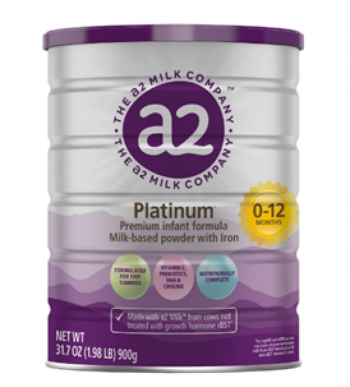
a2 Milk Company recalled 3 infant formula batches after detecting cereulide, a toxin that can cause rapid-onset gastrointestinal illness in infants.

Autism food selectivity hides vitamin and mineral gaps despite normal growth—learn exam-room strategies to spot risks and expand diets safely.

Pilot study finds maternal dairy intake associated with lower levels of select human milk lipids, with unclear implications for infant health.

FDA testing of 312 infant formula samples found low or undetectable levels of contaminants, supporting safety and ongoing monitoring efforts.

Donna Hallas, PhD, PPCNP-BC, CPNP, PMHS, FAANP, FAAN, shares her thoughts on the March/April 2026 issue of Contemporary Pediatrics, focused on nutrition.

The FDA cleared a generic Infuvite Pediatric injection for children receiving parenteral nutrition, adding a new option for hospital supply.

New AAP guideline replaces “failure to thrive” with “faltering weight,” emphasizing standardized diagnosis and targeted, less invasive care.

Learn when picky eating signals ARFID or pediatric feeding disorder, key red flags, screening questions, and referral tips beyond the growth chart.

David Stukus, MD, discusses nutrition risks, early allergen introduction, and evolving dietary strategies for managing pediatric food allergies.
Advertisement
Advertisement
Trending on Contemporary Pediatrics
1
Type 1 diabetes update: Immune therapy, screening, and new technology
2
Adolescent suicidal ideation trend reversed around 2009, analysis finds
3
What pediatricians should know about the 2026-27 AAP vaccine schedule
4
Constipation may be an overlooked driver of urinary symptoms in children
5