





Nutrition
Latest News
Advertisement
Latest Videos




Advertisement
More News

Pediatric nutrition counseling transforms conversations by focusing on inclusion, behaviors, and barriers, fostering meaningful change for families.

Pediatric visits make nutrition doable: quick questions, budget-smart swaps, myth-busting advice, and family meals that boost kids’ growth.

Pediatricians decode the new dietary guidelines—more protein, zero added sugar under aged 11 years, full-fat dairy—plus what’s missing for kids’ health.
Experts review key updates to the 2025-2030 Dietary Guidelines for Americans and practical considerations for clinicians.
FDA and partners are investigating a multistate infant botulism outbreak linked to powdered formula and assessing risks of Clostridium botulinum.
Experts urge culturally responsive nutrition counseling, noting the new Dietary Guidelines lack guidance on diverse food traditions and eating patterns.
Experts discuss access, affordability, and equity challenges in applying the new Dietary Guidelines, urging clinicians to reduce guilt and personalize care.
Experts debate stricter added sugar recommendations in the new Dietary Guidelines, stressing practicality, age-specific needs, and personalized counseling.
Experts flag missing pediatric guidance in the 2025–2030 Dietary Guidelines, including infant safety, iron intake, and early nutrition education.
Experts highlight gaps in the new Dietary Guidelines, including fiber, whole grains, plant-based milks, and simplified alcohol guidance.
Experts unpack saturated fat recommendations in the 2025–2030 Dietary Guidelines, highlighting visual misalignment and the need for personalized counseling.
Experts clarify protein recommendations in the 2025–2030 Dietary Guidelines, emphasizing quality, preparation, and clinician-led patient education.
Experts discuss whole-foods emphasis, microbiome insights, and consumer-focused changes in the 2025–2030 US Dietary Guidelines for clinicians.

A study found that sodium supplementation did not significantly improve weight, length, or head circumference gains among infants.
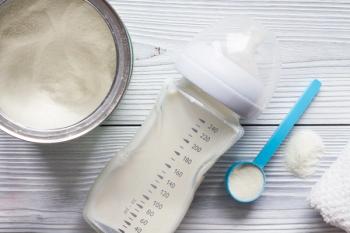
A study found that nonmedically indicated formula supplementation among term infants is common and increasing over time.

New AAP guidance affirms mother’s own milk as optimal for very low birth weight infants, citing reduced NEC and infection risk and outlining donor milk use.
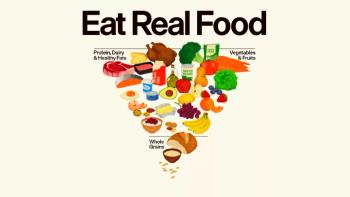
New dietary guidelines stress whole foods and reduced processing, with expanded, age-specific guidance for infants, children, and adolescents.

Check out the top 5 nutrition articles of 2025.
The FDA warns retailers over failure to remove recalled infant formula, urging stronger recall practices to protect infants and young children.
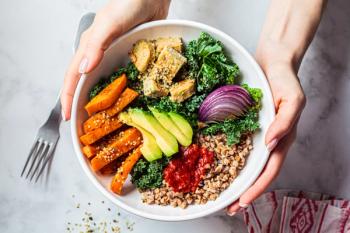
A large meta-analysis suggests well-planned vegetarian and vegan diets can support healthy growth in children but require attention to key nutrients.

Learn simple strategies to help picky eaters enjoy a balanced Thanksgiving meal through planning, involvement, and a relaxed holiday atmosphere.

A prepandemic NHANES analysis found no significant differences in fruit, vegetable, or overall diet quality between WIC participants and eligible nonparticipants.

A review highlights the benefits and risks of artificial sweeteners in glycemic control, insulin sensitivity, and gut microbiota balance.
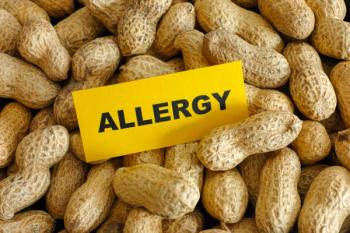
Training tools and EHR prompts boosted pediatricians’ adherence to early peanut introduction guidelines in a new trial.

Placing food outreach specialists in pediatric clinics improved food access, enrolling families in assistance programs and reducing barriers.
Advertisement
Advertisement