
Encourage parents to model healthful eating behaviors and positive relationships with good eating habits.
Encourage parents to model healthful eating behaviors and positive relationships with good eating habits.

COVID-19 has created many stresses: mental, job-related, and health. For some caregivers, these stressors are complicated further with caring for a child with attention-deficit/hyperactive disorder (ADHD).

Growing evidence indicates that COVID-19 impacts more than the respiratory system. Clinicians should keep an eye out for dermatologic conditions that may be associated with the illness.
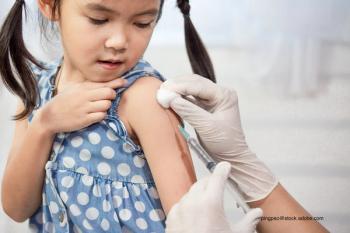
This is the critical moment in time for all health care providers to proactively stop this potential public health nightmare by speaking with all parents and adolescents about the absolute need for everyone to receive the influenza vaccine.

As fall approaches, one of the biggest questions is: Can children return to school and be in classroom environments that assure health and well-being for all? Here's how practitioners can help.

As fall approaches, one of the biggest questions is: Can children return to school and be in classroom environments that assure health and well-being for all?

Every pediatric provider including pediatric nurse practitioners and pediatric nurses working in hospital or in outpatient settings must know the various ways children and adolescents may present with possible COVID-19 symptoms. They must also know which patients are at high risk of developing multisystem inflammatory syndrome in children (MIS-C).

COVID-19 has wrought many changes, including how medical practices provide care and keep patients safe.

It was initially thought that children were primarily unaffected by COVID-19 and were asymptomatic carriers if they did have the disease. The rise of multisystem inflammatory syndrome in children (MIS-C) has radically changed this thinking.
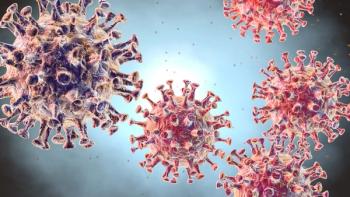
The COVID-19 pandemic continues to rage, but many questions remain. Questions like: How are children coping with the trauma many families are currently experiencing in their family lives? Are schools and pediatric offices prepared to help children and adolescents cope with their losses?

The world in which we live, work, socialize, learn, and play has turned upside down and is spinning out of control, directly related to COVID-19. Numerous questions have emerged and more emerge every day: How do we make sense of our world that changes direction within a millisecond of time?

Cystic fibrosis (CF) is an emotionally and medically complex disorder. Advancements on the care management for children with CF are very promising. Pediatric nurse practitioners are a critical part of that team.
I believe that professional practitioners survey results/research, and especially comparative survey results, offer professionals and professional organizations opportunities to make impactful change, and, in this case, changes that can improve health care delivery for infants, children, adolescents, and their families.

As advocates for child health, PNPs should actively support the Healthy Babies Bright Futures recommendations to create public health policies that ensure food safety and the removal of toxic heavy metals from infant and toddler food supplies. In fact, our advocacy should go beyond the infant food supply to all foods, to protect the health and well-being of all individuals regardless of age. Toxic metals should not be a part of anyone’s daily dietary intake.

Pediatric educational and policy conferences are always special, providing opportunities to update knowledge and practice skills; introduce new practice guidelines with rationales for evidence-based changes; present the most recent research findings that have the potential to improve practice and healthcare outcomes; and unequalled opportunities for networking.
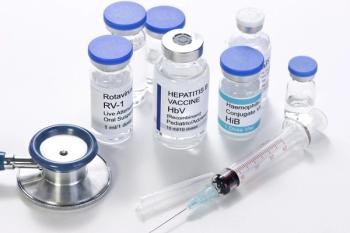
The evidence is clear: Practitioners who fail to administer immunizations according to the Centers for Disease Control and Prevention and Advisory Committee on Immunization Practices schedules results in adverse outcomes for children and adolescents who are needlessly exposed to vaccine preventable diseases.

I totally agree with Dr. Schuman’s perspective in his article that “it is inappropriate and irresponsible for pediatricians [and I include, PNPs] to encourage the use of cannabidiol (CBD) until more studies are available” to assure the safety and efficacy of CBD are clearly established in rigorous randomized controlled clinical trials (RCTs).

'Building a medical home for children with autism' describes the importance of establishing a medical home in a pediatric office for children with a diagnosis of autistic spectrum disorder (ASD) and discusses five major management strategies for the successful management of children in the medical home.

To me, it seems that we are trapped traveling around the world within ‘non-connected circles’ that encompass viewpoints adversely affecting significant scientific immunization advances developed to improve the health and well-being of infants, children, adolescents, their families, and all individuals who interact with them.

Covering the father as both parent and influential partner in childrearing from preconception to entrance into young adulthood, this issue provides the foundation for thoughtful consideration of how we, as nurse practitioners, can address paternal parenting and apply the past 10 years of research results on fathers to better inform our practices.

Best practices for both hospital and ambulatory care centers include methods to encourage the continuous educational development of all members of nursing and interprofessional (IP) teams. One successful, but sometimes resisted strategy, is to engage all members of the team in planned monthly journal club luncheons in which the members review a recently published article that may impact practice management strategies.

The dilemmas and barriers that providers encounter daily in clinical practice in attempting to maintain confidentiality for their adolescent patient while simultaneously protecting the adolescent from potential harm are daunting for providers as there are no nationally recognized, evidence-based standards addressing adolescent confidentiality and privacy issues in the delivery of quality healthcare to adolescents.

I recommend not only reading "You've been served! What to do if you get sued for malpractice," but also consider current practice strategies and those that can be implemented with the goal of preventing malpractice claims.

Imagine the joy of experiencing a late fall, winter, and spring season of never having to press the e-prescribing submit button in the electronic health record for an antiviral medication to treat an infant, child, or adolescent who is very ill after contracting influenza.

CAR T-cell therapy offers pediatric patients hope, but also can bring numerous physical and emotional roller coaster experiences for the family.

A commitment all healthcare professionals must make to their individual professions, the interprofessional community and patients, and to themselves is to become life-long learners.
I recommend trying “Riddle me this! – as pediatric providers we tend to enjoy playing and many of us enjoy the challenges of active engagement in online learning that is also informative.

‘Quality diagnostic reasoning’ curbs medical diagnostic errors.

Mental health is a critical component of pediatric overall health. Early recognition of subtle signs and symptoms of mental health problems followed by immediate treatment is an equally critical element to ensure the establishment of normal mental health throughout development.
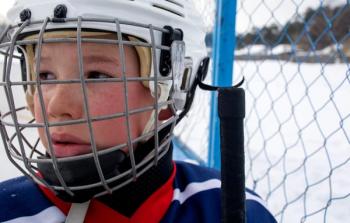
Drs. Bass and Valasek’s article in the August 2018 issue of Contemporary Pediatrics titled “Sports-related concussion: When it’s OK to return to play” provides a comprehensive review of sports-related concussions (SRC).