| Articles | February 4, 2008
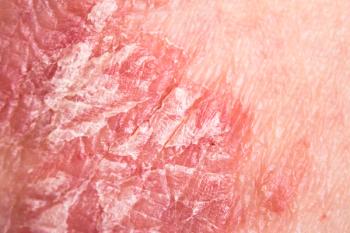
AAD: Genetic Defect in Skin Barrier Tied to Eczema A genetic defect in the skin's protective outer later that allows microbes, allergens and other irritants to penetrate the skin likely underlies atopic dermatitis and may contribute to the development of food allergies, according to research presented this week at the American Academy of Dermatology's 66th Annual Meeting in San Antonio, Texas.
Newsletter Access practical, evidence-based guidance to support better care for our youngest patients. Join our email list for the latest clinical updates.
Subscribe
November 12th, 2026 Non-English-speaking families were far less likely to introduce peanut by 6 months (OR, 0.21) in a 3,170-child study presented at ACAAI 2026.
November 12th, 2026 In an ACAAI 2026 survey, 85% of clinicians knew food allergy panels often yield false positives, yet many ordered them for unvalidated uses.
November 12th, 2026 Full OptIMMize-1 results show high skin clearance rates with risankizumab in children and teens with psoriasis, sustained through 52 weeks.
November 11th, 2026 Classroom engagement scores in digital gradebooks predicted substance use by eighth grade better than GPA (cross-validated AUC, 0.79 vs 0.63).
November 11th, 2026 Children living more than 60 miles from their surgical hospital had higher complication odds and longer stays after common procedures.
November 10th, 2026 Emily Becker, MD, discusses the role of AhR agonists, skin barrier function, and steroid-free treatment options for pediatric atopic dermatitis.
November 10th, 2026 Post hoc data show cariprazine improved both manic and depressive symptoms through 52 weeks in youth aged 10 to 17 years with bipolar I disorder.
November 10th, 2026 CDC data show pediatric CP-CRE incidence rose 92% from 2019 to 2024, driven by NDM-CRE, mostly in children with complex medical needs.