Editor's Note: This article originally appeared on our sister website, Contagion Live.
In a six-month placebo-controlled trial, the administration of a daily oral probiotic containing Streptococcus salivarius failed to decrease the occurrence of acute otitis media (AOM) in children. Despite earlier indications that the probiotic reduces the relative abundance of otopathogens in the nasopharyngeal microbiome, the anticipated preventive effect did not materialize.
Suvi Sarlin, MD, from the Department of Pediatrics and Adolescent Medicine at Oulu University Hospital in Finland, along with colleagues, observed a demonstrated reduction in AOM with an investigational α-streptococcal nasal spray. They were optimistic that a similar outcome could be achieved with a commercially available oral probiotic marketed for "ear, nose, and throat health."
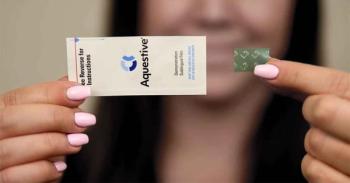
Highlighting the significance of AOM prevention in reducing antibiotic use among children, Sarlin and colleagues pointed out the limited options for primary prevention, excluding pneumococcal conjugate and influenza vaccines. The trial, conducted in 50 daycare centers in the Oulu region of Finland, involved 827 children aged 1 to 6 years. Participants were randomized in a 1:1 ratio to receive a daily dose of an S salivarius K12 oral product (chewable tablet for children over 3 years or oral powder for younger) or a placebo every evening after tooth brushing for six months.