

Opinion|Videos|September 11, 2024
Recommendations and Outlook for Central Precocious Puberty
Experts offer recommendations for supporting central precocious puberty patients in managing the social stigma and challenges associated with their condition.
Advertisement
Episodes in this series
Video content above is prompted by the following:
- Can you provide any recommendations on supporting patients navigating stigmas and social hardships associated with CPP?
- Please provide any closing thoughts regarding your clinical experience with the management of CPP and your outlook of the future.
Advertisement
Related to this article

Review some of the top stories from the Contemporary Pediatrics website over the last week, and catch up on anything you may have missed.

Learn when your baby is ready for solids, choose safe purees or finger foods, prevent choking, prioritize iron, and introduce allergens confidently.

Christina Boull, MD, shares recommendations for infant skin care, including choosing gentle cleansers, avoiding irritants, and supporting the skin barrier.
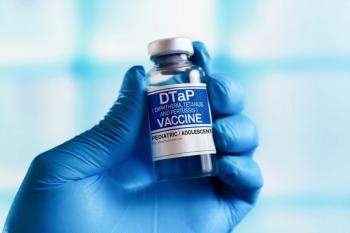
Completing the DTaP primary series was 96.2% effective against pertussis in Alaska children aged 6 months to 6 years during a record 2024 outbreak.

Keisha L. Gibson, MD, MPH, discusses the FDA approval of Gazyva for childhood-onset INS and its implications for relapse prevention and pediatric care.

Hai D. Nguyen-Tran, MD, discusses clinical signs, neurologic warning symptoms, supportive care, and preventing the spread of hand, foot, and mouth disease.

Topical botanical Cinainu earned FDA Breakthrough Therapy status for AA in patients aged 2+, supported by phase 2/3 RAAINBOW data in children.
The FDA accepted the Anaphylm NDA resubmission as a class 2 response, setting a March 16, 2027, PDUFA date for the sublingual epinephrine film.
Advertisement
Advertisement
Trending on Contemporary Pediatrics
1
Hand, foot, and mouth disease: Red flags pediatricians should know
2
Youth-onset type 2 diabetes may progress faster, signs easy to miss
3
FDA approval of Gazyva offers new option for pediatric INS
4
Infant skin care: Choosing products that protect the skin barrier
5