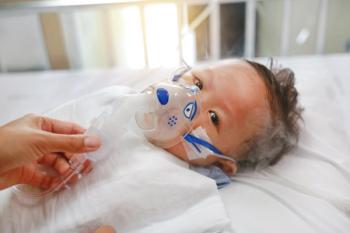
A Contemporary Pediatrics Peer Exchange panel reviews RSV risk, testing, maternal vaccination, and long-acting monoclonal antibodies, and where infants still slip through the cracks.
A survey of 280 physicians and 256 advanced practice clinicians at The Children’s Hospital of Philadelphia found that the vast majority worked while sick at least once in the preceding year and would expect to work with symptoms of contagion, including fever, diarrhea, and acute respiratory tract symptoms.
A survey of 280 physicians and 256 advanced practice clinicians at The Children’s Hospital of Philadelphia found that the vast majority worked while sick at least once in the preceding year and would expect to work with symptoms of contagion, including fever, diarrhea, and acute respiratory tract symptoms. Survey participants, who included general pediatricians and pediatric subspecialists along with nurse practitioners, physician assistants, and other advanced practice clinicians, responded to multiple-choice questions about how often they worked while experiencing symptoms of infection and the perceived importance of various factors that encourage working while sick. They also responded to a series of open-ended questions.
A full 95% of respondents believed that working while sick put patients at risk. Nonetheless, 83% reported working while sick at least once in the past year and 9% reported doing so at least 5 times. More than half (55%) indicated they would work with acute onset of significant respiratory symptoms and almost a third with diarrhea, with physicians more likely than other clinicians to work with either of these symptoms.
The most important reasons for working while sick, each cited by more than 90% of respondents, were not wanting to let colleagues down; concerns that not enough staff would be available to care for patients; and not wanting to let patients down. Other significant reasons were fear of ostracism by colleagues; working sick because others do so; concern about continuity of care; unsupportive leadership; and a perception of not being easily replaced. In the open-ended questions, respondents revealed additional reasons for working while sick: extreme difficulty finding coverage; a strong cultural norm to come to work unless extremely ill; and ambiguity about what constitutes “too sick to work” (
Commentary: This issue requires a professionwide change in mindset. By choosing medicine as a career, we have all committed to work that is more than a job. As professionals, we hold ourselves to a standard of showing up despite obstacles. Look at your local hospital’s inclement weather policy and what is expected of “essential personnel.” However, when the obstacle is our own illness, dragging ourselves into work may be bad for us, our colleagues, and our patients and their families. We need to clarify, perhaps with the help of infectious disease specialists, what symptoms should require work absence. And we need a plan for what happens when, despite dedication and good intentions, it is best to swallow our pride, stay home, and go back to bed.
Ms Freedman is a freelance medical editor and writer in New Jersey. Dr Burke, section editor for Journal Club, is chairman of the Department of Pediatrics at Saint Agnes Hospital, Baltimore, Maryland. The editors have nothing to disclose in regard to affiliations with or financial interests in any organizations that may have an interest in any part of this article.