

Parents may be turning to formula made in the home or imported from Europe to help with their child's food allergies, but there are a number of concerns.
Rachael Zimlich is a freelance writer in Cleveland, Ohio. She writes regularly for Contemporary Pediatrics, Managed Healthcare Executive, and Medical Economics.
Parents may be turning to formula made in the home or imported from Europe to help with their child's food allergies, but there are a number of concerns.
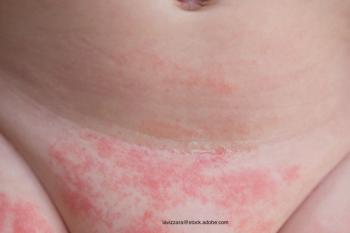
Managing an infant's diaper rash doesn't have to be difficult.
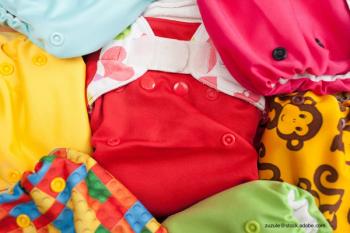
Cloth diapers are considered less likely to cause diaper rash, but that's not always the case.

Although not every case of diaper rash can be avoided, using preventive techniques can reduce damage.

Irritated skin in the diaper area may make parents first think of diaper rash, but atopic dermatitis is another possible condition. Knowing the triggers can help determine the correct diagnosis.

The first hours of life carry a long checklist, which often includes the newborn's first bath, but variation in the practice appears to be quite common across US birthing centers.

Not all diaper rashes are the same. Here's a look at the various contributors to the skin condition.

A new study offers insight into what early-life risk factors can help predict future nut allergies.
Immunotherapy offers a way to reduce the number of reactions due to food allergies. However, many people are unaware of what it is, what it does, and the overall safety of the therapy.

Toxic stress can have lifelong negative effects. A new policy statement from the American Academy of Pediatrics (AAP) examines how healthy relationships may serve as a buffer.

Early exposure to peanuts has been shown to reduce the risk of peanut allergy. Is the same true with cow's milk?
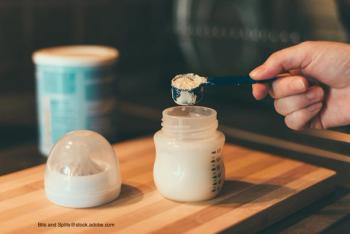
For infants with milk allergies, finding a formula that won't cause a reaction is key to happy feeding times. Parents face a dizzying array of options. Here's a look at them.
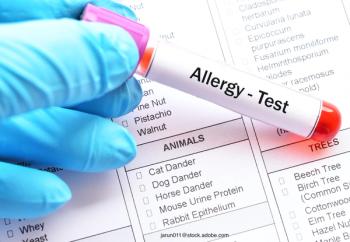
New allergy testing tools can help pinpoint exact triggers for pet allergies.

The pandemic has increased awareness for many infectious diseases, including croup.
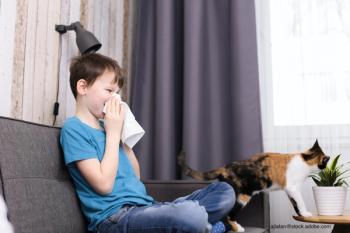
When a child develops allergies to the family pet, what can the family do to help control the allergies and keep the pet in the home?
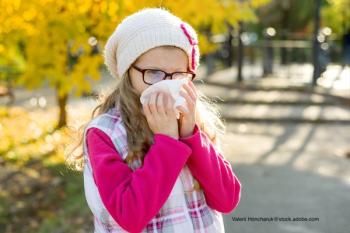
With COVID-19 still at large, pediatricians should prepare for a tough allergy season.

New guidelines can aid clinicians in diagnosing infants who have fever, but no other symptoms.
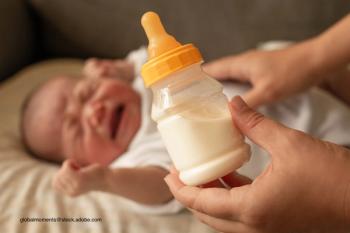
Distinguishing the difference between the 2 can be a challenge with cow’s milk and the interchangeable use for both terms can increase the challenge too.
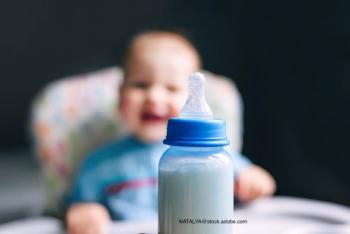
Although it's one of the most common food allergies, the diagnosis of cow's milk allergies isn't always easy.
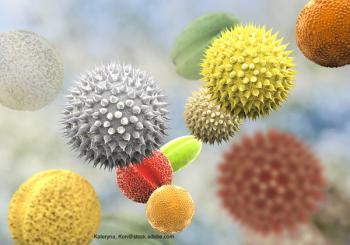
Climate change means more than stronger, more ferocious weather and hard-to-contain wildfires. Here's what it means for allergies.
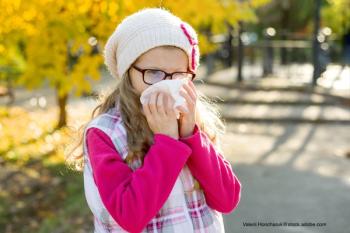
Just because the weather cools down in the Fall months, doesn't mean that respiratory allergies are done. Here's a look at some of the best respiratory allergy remedies.
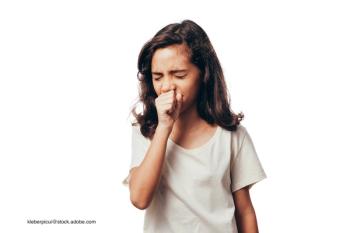
Cough is a common reason for pediatric visits. When should bronchitis be on the diagnostic radar?

A guideline update from the American Academy of Pediatrics offers help to clinicians in guiding children and teenagers with disabilities through sexual development.
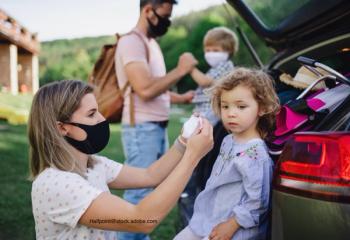
Parents and children are eager to get back to “normal” as the number of COVID-19 cases drops, so targeted education and individualized advice are important for families in an almost post–COVID-19 world. Pediatricians can provide guidance about what is and isn’t safe.
There are several indicators of malnutrition—even for children with normal growth.

Stimulants are recommended as the first-line treatment for attention-deficit/hyperactivity disorder (ADHD). A study examines whether α2-adrenergic agonists could be effective as well.

Contraception for teenagers may seem like a taboo topic, but it is an important part of wellness care for adolescent girls.

Screening for child abuse can be difficult, but looking for a history of abuse in a household could prove helpful.

New recommendations and treatment options for this common condition in children.
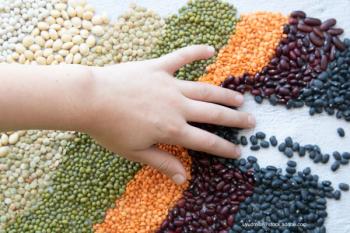
Plant-based proteins may be healthier for our bodies and the environment, but there’s not much guidance on these types of diets for children.