

Baby-led introduction of complementary foods is a practice gaining in popularity among families with infants ready for the change from breast milk or formula to table foods, but it must be done in a developmentally appropriate way.
Baby-led introduction of complementary foods is a practice gaining in popularity among families with infants ready for the change from breast milk or formula to table foods, but it must be done in a developmentally appropriate way.
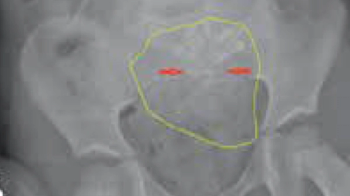
A 4-year-old girl presents to the emergency department (ED) with a 12-hour history of progressively worsening episodic left lower quadrant (LLQ) abdominal pain and nonbilious emesis. There was no history of fever, diarrhea, hematochezia, constipation, or dysuria. The child was previously healthy, did not take any medications, and had no history of prior surgery.

Here are some various observations that have guided my own pediatric practice over the years. Perhaps they will help you with yours.

Pediatric practices could make significant improvements to their developmental surveillance and screening processes in a short time. This project team’s initiative shows just how quickly your practice can, too.

Oral health screening performed at each well-child visit helps to identify oral disease or injury and promotes anticipatory guidance that can minimize caries risk and improve oral health outcomes.

The parents of a 2-month-old boy return to the office for a well-child visit. The infant has a history of hypotonia and poor head control but is growing normally. His parents noted streaky patterns of hypopigmentation over his trunk and extremities shortly after birth and felt they were likely just “birthmarks.”
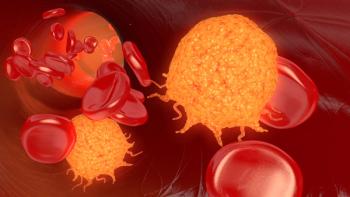
Recent developments in chimeric antigen receptor (CAR) T-cell therapy have shown promise in treating relapsed B-cell acute lymphoblastic leukemia in children.

A survey of more than 700 women who had given birth to at least 1 child found that about one-third of women who were aware that breastfeeding reduces the risk of breast cancer thought this knowledge had contributed to their decision to breastfeed.

Pediatricians who go above and beyond the expected in patient care can achieve the coveted status of “PGP”- pretty good pediatrician. Follow these 10 steps to achieve that special bond with your patients.

Australian researchers have developed a quick cancer test that can identify tumor markers in blood, but it may remain an adults-only test.
A longitudinal study begun when participants were aged 15 years showed that body mass index (BMI) tends to increase more rapidly over time in individuals who experience food insecurity in their early teenaged years than in those who don’t.

One physician’s personal agenda is to help parents understand how their own history of dealing with stress affects how they bond with their child.

New research is changing views about the treatment of pediatric cancer and bolsters the rationale for sequencing tumors in children.
Acetaminophen is a safe antipyretic against febrile seizures (FSs) and has the potential to prevent FS recurrence during the same fever episode, a study in Japan found.

A new report dissected safety reports spanning 5 years across 3 hospital systems and found that most errors were related to EHR usability and medications-with more than 100 of these events causing patient harm.

A new study reveals that whereas physical activity can help prevent and combat childhood obesity, eating breakfast every day may have a more significant impact.

Overall vaccination rates in children are good, but there is a small pocket of children who are completely unvaccinated, and this number is rising.