





Infectious Diseases
Latest News
Advertisement
Latest Videos





Shorts

0:16
A practical probiotic recommendation from the evidence
2 days ago
by
Mark R. Corkins, MD, CNSC, FASPEN, AGAF, FAAP

0:40
How to talk to skeptical parents about vaccines
2 days ago
by
Jonathan Miller, MD

0:30
Reducing unnecessary testing and antibiotic prescribing for strep throat
2 days ago
by
Rana F. Hamdy, MD, MPH, MSCE

0:31
Why you shouldn't wait for the HPV vaccine
8 days ago
by
Jonathan Miller, MD

0:31
Changing a parent's mind: A success story
12 days ago
by
Jonathan Miller, MD
0:31
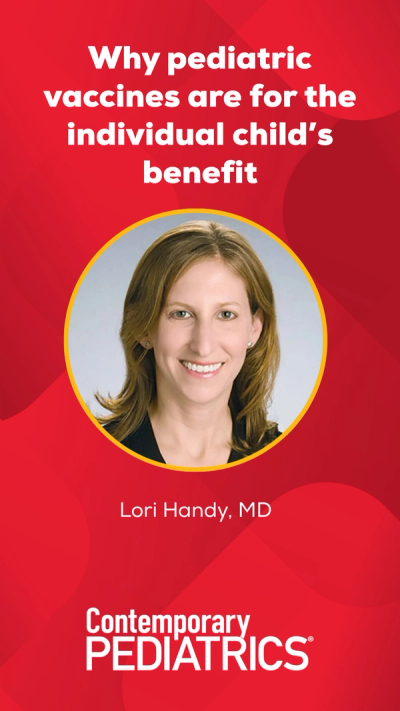
Why pediatric vaccines are for the individual child’s benefit
13 days ago
by
Lori Handy, MD, MSCE

0:48
How do you handle parents who ignore the science?
17 days ago
by
Lori Handy, MD, MSCE

0:34
Reframing vaccine conversations for the new school year
20 days ago
by
Lori Handy, MD, MSCE

0:48
Providing health info on the platforms families use
24 days ago
by
Lori Handy, MD, MSCE

0:37
Are HPV vaccines safe? 20 years of evidence
25 days ago
by
Jonathan Miller, MD
Podcasts









Advertisement
More News
Court fight over CDC 2026 childhood vaccine schedule shifts shots to shared decision-making; experts warn lower uptake for Hep A, B, flu, COVID.

CDC's 2025 NIS-Teen data show HPV vaccine coverage flat for a fourth year, with rural adolescents 12 points behind urban peers in receiving ≥1 dose.

The AAP's 2026-2027 policy recommends universal vaccination for infants 6-23 months and a risk-based single dose for children 2-18 years.

Independent review of hundreds of studies finds flu vaccine 80% effective against pediatric death; RSV and maternal immunization cut infant hospitalizations.

AAP guidance expands RSV immunization eligibility for children aged 8 through 19 months at high risk of severe disease.
CDC has declared the Nara Organics infant botulism outbreak over; genetic testing ties it to the 2025 ByHeart outbreak.

Nine societies outline 6 domains of hospital-level sepsis strategies, from rapid blood culture diagnostics to daily toothbrushing protocols.

The AAP recommends annual flu vaccination for all children aged 6 months and older and updates antiviral guidance for the 2026–2027 season.
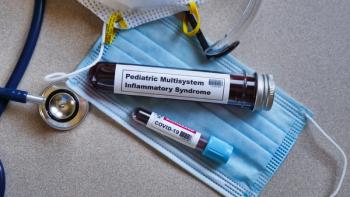
Infliximab or steroids may be more effective than anakinra as adjunctive therapy for children with MIS-C who do not respond to IVIG.

Starting antiviral therapy within 48 hours of influenza symptom onset was associated with an 81% lower hospitalization risk in children.

Navigate back-to-school vaccine requirements, evidence, and FAQs—plus the latest measles data and new pneumococcal options for pediatric practice.
Executive order seeks to trim routine childhood vaccines, split combination shots, and push parent-doctor decisions—sparking debate as measles surges.

FDA accepted Merck's sBLA extending ENFLONSIA (clesrovimab-cfor) to high-risk children under 2 in their second RSV season.

Ensitrelvir adds an FDA-approved COVID-19 postexposure prophylaxis option for adults and adolescents aged 12 years or older.

US measles cases have climbed to 2,318 in 2026, already exceeding all of 2025 and marking the country's highest annual total since 1991, as CDC data show falling MMR coverage continuing to fuel outbreaks.

The PECOS study found 20 post-COVID symptoms in children; Roberta L. DeBiasi, MD, discusses evaluation and follow-up.

Alesia McKeown, PhD, of Roche Diagnostics discusses why pertussis is missed in children and adolescents and how PCR testing can help.

With a multistate cyclosporiasis outbreak underway this summer, pediatric providers should maintain a low threshold to consider Cyclospora cayetanensis in children with protracted or relapsing watery diarrhea.

A 10-year King County study found MMRV was the first vaccine for 15% of children who were disproportionately Hispanic, Black, or VFC eligible.

A matched cohort study found no meaningful difference in serious or outpatient infection risk between infliximab and adalimumab in pediatric IBD.

FDA approved the first generic rifapentine for active and latent tuberculosis, expanding treatment options for eligible pediatric patients.

Baloxavir marboxil is a first-in-class cap-dependent endonuclease inhibitor that functions as a prodrug.
The approval is based on data from the phase 3 STRIDE-13 trial.

A CHOP-led study identified IL-6 and IFN-γ immune activation tied to worse recovery in children with sepsis or organ failure.
The FDA has approved expanded indications for tocilizumab-bavi (TOFIDENCE), adding severe or life-threatening CAR T-cell–induced CRS and hospitalized COVID-19 in patients aged 2 years and older.
Advertisement
Advertisement
Trending on Contemporary Pediatrics
1
Type 1 diabetes update: Immune therapy, screening, and new technology
2
AAP renews call for raw milk sales ban, cites emerging H5N1 risk
3
Constipation may be an overlooked driver of urinary symptoms in children
4
Probiotics in pediatrics: Evidence, product quality, and safety
5