
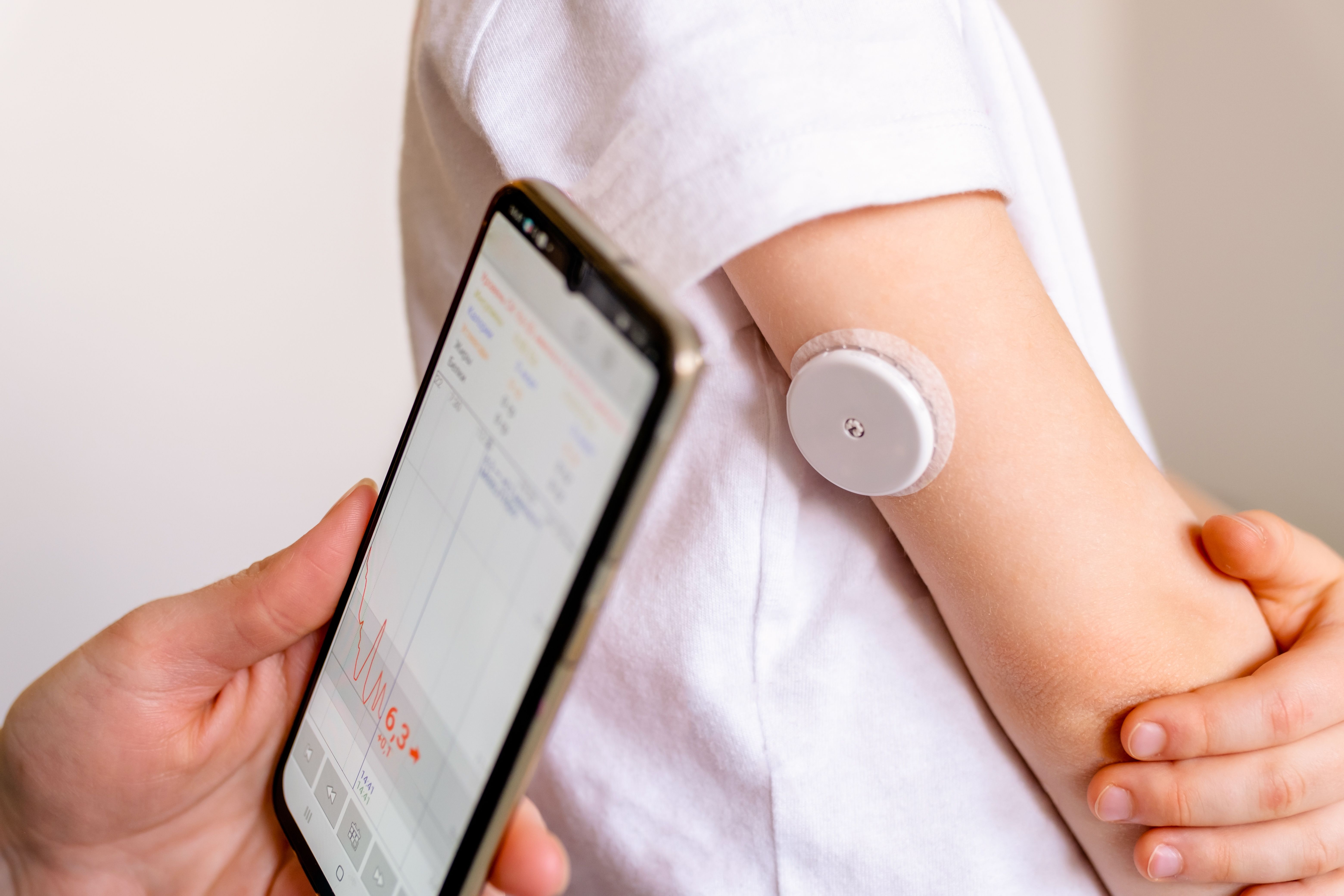



Type 1 Diabetes
Latest News
Advertisement
Latest Videos


Advertisement
More News

Results of the randomized, multi-site study demonstrated the importance of early diabetes detection, as a single episode of diabetic ketoacidosis (DKA) in young children with type 1 diabetes was associated with lower IQ scores soon after exposure.
Further studies are needed to determine if vaccination should be considered in children at risk for type 1 diabetes (T1D), as a COVID-19 diagnosis among children was associated with an increased incidence of T1D, according to a recent study.
A follow-up to an earlier study, the latest research leveraged EHR data from medical centers in North Carolina and concluded incident cases of type 1 diabetes increased nearly 50% and incident cases of type 2 diabetes more than doubled in 2021-2022 relative to prepandemic years.
To help teens with the difficult emotional and physical weight of managing this disease, numerous tools, technology platforms, and interventions have been developed. A research team recently published a review of one of these tools, a 40-year-old automated messaging system.
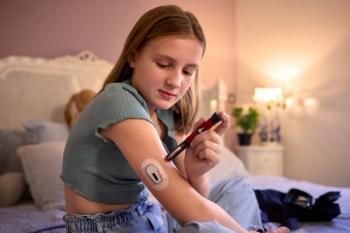
Despite the challenges of the pandemic, overall metabolic control didn’t significantly change during the lockdown.

Children 10 years and older with type 2 diabetes (T2D) can now be treated with empagliflozin and empagliflozin plus metformin hydrochloride to improve blood sugar control, per a recent approval by the FDA.
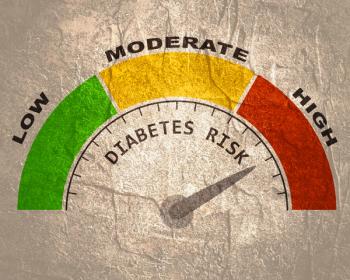
Intensive lifestyle change remains the primary treatment for youth-onset type 2 diabetes. According to a study in Jama Network Open, there is more work to be done as risk perception and awareness of diabetes alone were not associated with risk-reducing behaviors.

A recent study looked at how patients with type 1 diabetes used telehealth during the pandemic, and how it has influenced their preferred method of health care.

Results of the study, which was an analysis of accelerometry data the TEDDY study, indicate every 10-minute increase in daily moderate to vigorous physical activity was associated with an 8% reduction in risk of progressing to type 1 diabetes, but this association was not present among those who were single islet autoantibody-positive or single islet autoantibody-negative.
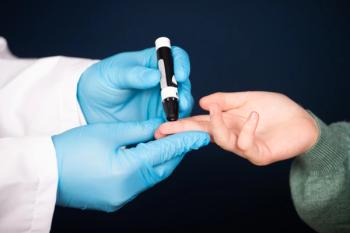
Part of the risk of developing kidney involvement begins when type 1 diabetes mellitus (T1DM) sets in and establishes itself in the patient, with up to 65% of children experiencing acute kidney injury during T1DM onset, which can further predispose to the development of future chronic kidney disease.

The Beta Bionics iLet ACE Pump and the iLet Dosing Decision software, matched with a compatible FDA-cleared integrated continuous glucose monitor, use an algorithm to determine and command insulin delivery to users.
A hybrid closed-loop system can deliver glucose levels in the target range at a higher percentage of time among children aged 2 years to younger than 6 years compared to standard-care, according to a study in the New England Journal of Medicine.

In a recent study, offspring were more likely to develop type 1 diabetes if they were born to mothers diagnosed with depression or anxiety during pregnancy.
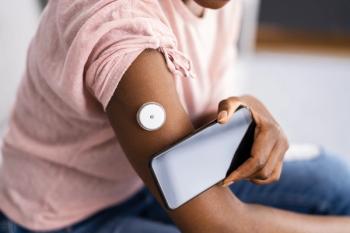
Hemoglobin A1c improved in youths with newly diagnosed type 1 diabetes (T1D) when inclusive continuous glucose monitoring (CGM) was initiated, irrespective of ethnicity or insurance status. According to a study published in Jama Network Open, universal CGM could play a role in reducing disparities for minoritized racial and ethnic groups.

According to a recently published study, children and adolescents with type 1 diabetes (T1D) and psychiatric disorders have considerable increased odds for educational underachievement compared to those with T1D alone and healthy students.
The MiniMed 780G system has been approved for children aged 7 years and up with type 1 diabetes (T1D), according to Medtronic.
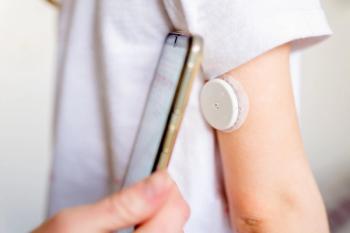
Fear of hypoglycemia (FOH) among youth and adolescents with type 1 diabetes (T1D) can lead to impaired sleep but may not negatively affect physical activity.
Knowledge gaps in basic management and diagnosis of type 1 diabetes (T1D) are present in newly graduated medical students, according to a recent study.

Andrew Lam, MD, retinal surgeon, author, assistant professor, University of Massachusetts Medical School discusses the earliest treatments for type 1 diabetes in children, a topic of his new book, "The Masters of Medicine: Our Greatest Triumphs in the Race to Cure Humanity’s Deadliest Diseases," due out April 18, 2023.
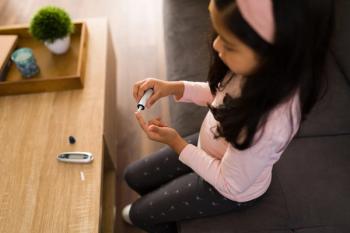
According to the study, maintaining modest residual beta cell function in newly diagnosed patients is associated with a lower risk of vascular complications and hypoglycemia.

At the 44th National Association of Pediatric Nurse Practitioners Conference, a session presented data explaining why teenagers with type 1 diabetes were at high risk for developing anorexia and bulimia.

A supplemental New Drug Application for empagliflozin (Jardiance; Boehringer Ingelheim and Eli Lilly and Company) in pediatric patients with type 2 diabetes has been accepted by the FDA.

A systematic review of nearly 100 published studies provides an overview of sex-based disparities in the care of pediatric patients with type 1 diabetes.

A systematic review and meta-analysis of nearly 3 dozen published articles details the apparent increase in risk of cardiovascular disease and diabetes associated with a diagnosis of autism.

Tina Q. Tan, MD, and Kimberly Simmons, MD, discuss improved methods of monitoring blood glucose levels in patients with type 1 diabetes.
Advertisement
Advertisement
Trending on Contemporary Pediatrics
1
Menstrual irregularities in adolescents: When to investigate
2
FDA proposes cadmium action levels for baby food under Closer to Zero
3
Managing infection risks in children on biologic therapies
4
SCD-PED linked to higher survival in pediatric sepsis-associated AKI
5