



Type 1 Diabetes
Latest News
Advertisement
Latest Videos






Advertisement
More News

Mothers with mood disorders—either bipolar disorder, major depressive disorder— or schizophrenia/ schizoaffective disorder are not associated with their offspring’s risk for type 1 diabetes, according to a recent study.
Reduced sleep efficiency and increased sleep irregularity in adolescents and young adults with type 1 diabetes are associated with higher HbA1c levels, insulin resistance, and endothelial dysfunction, highlighting the significance of addressing sleep-related factors in diabetes care for improved overall health.
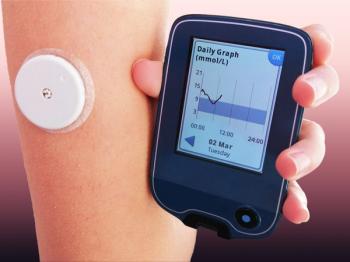
Continuous glucose monitors have been found to improve sleep for parents of young children with type 1 diabetes and may help alleviate the care burden associated with the condition, according to a study conducted in France.

According to the American Academy of Pediatrics (AAP), it is recommended that 45% to 65% of total daily calories come from carbohydrates, though very low-carbohydrate diets allow for 20 to 50 grams per day.

An analysis of the Diabetes Prevention Program in England found it was effective at improving key cardiovascular risk factors, including glycated hemoglobin and excess body weight.

Age-appropriate diabetes support for students is detailed, encompassing legal frameworks, healthcare plans, and the essential role of school health teams in effective school management.

In a systematic and meta-analysis review of cohort studies that featured nearly 1.7 million individuals, study authors concluded that there is an association between high body mass index (BMI) and an increased risk of incident type 1 diabetes (T1D).
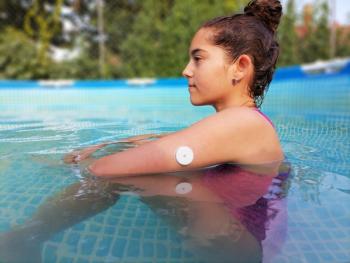
There are a lot of challenges in the transition from youth to adulthood. For children and teens with chronic diseases like type 1 diabetes, these challenges—and the consequences they bring—only increase.

A new study says yes.
A significant improvement of stimulated C-peptide levels at week 78 for patients newly diagnosed with type 1 diabetes (T1D) was observed for teplizumab-treated patients compared to placebo. Significant differences between groups for insulin dose, percentage of time in target glucose range, and change in glycated hemoglobin were not observed.
From 2006 to 2019, psychotropic medication use for those with type 1 diabetes (T1D) increased, leading investigators to call for risk-benefit studies, further evaluating effectiveness and improved diabetes care in this population.
The number of children who received a T1D diagnosis did not differ from children with and without SARS-CoV-2 infection.

In a recent study, the 2013 WHO criteria for diagnosing gestational diabetes mellitus had a low sensitivity when used in individuals in low-risk early pregnancy.

Surveys collected for a study published in the Canadian Journal of Diabetes revealed that desire for telehealth care amid pediatric diabetes families increased from the early onset of the COVID-19 pandemic, to more than 1 year later.
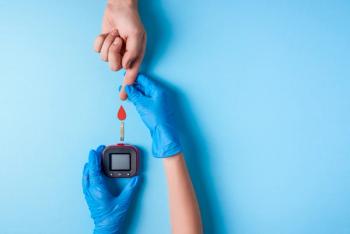
A recent article reviewed diagnosis and treatment methods of cystic fibrosis-related diabetes in pediatric patients.

The 2023 guideline for managing diabetes in children and adolescents highlights risk factors and treatment for type 1 and type 2 diabetes.

Numerous tools, technology platforms, and interventions have been developed to help teens with the difficult emotional and physical weight of managing the disease.
A new report examined the challenges of diabetes management during the school years from the perspective of the daily social and institutional challenges children face.
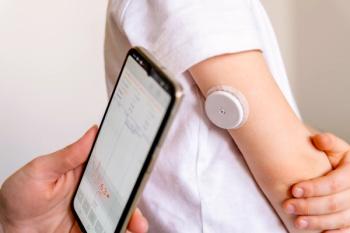
A new report reviewed how effective the use of continuous glucose monitors (CGM) was over the course of a year.

Previous studies have suggested that nighttime blood sugar fluctuations are a real problem—and a serious concern—for children with T1D and their parents.

Justin M. Gregory, MD, MSCI, provides an overview of the mechanism of action of teplizumab and its use in delaying T1D.

Results of the randomized, multi-site study demonstrated the importance of early diabetes detection, as a single episode of diabetic ketoacidosis (DKA) in young children with type 1 diabetes was associated with lower IQ scores soon after exposure.
Egils K. Bogdanovics, MD, and Schafer Boeder, MD, discuss interpreting antibody test results for type 1 diabetes and provide recommendations for retesting for those who have a negative test or have only 1 antibody present.
Linda A. DiMeglio, MD, reviews screening options for patients with a family history of T1D, highlighting TrialNet.
Expert endocrinologists discuss the clinical symptoms that prompt testing for T1D, as well the diagnostic testing tools that are available in clinical practice.
Advertisement
Advertisement
Trending on Contemporary Pediatrics
1
Menstrual irregularities in adolescents: When to investigate
2
FDA proposes cadmium action levels for baby food under Closer to Zero
3
Managing infection risks in children on biologic therapies
4
SCD-PED linked to higher survival in pediatric sepsis-associated AKI
5