



Asthma
Latest News
Advertisement
Latest Videos





Shorts
0:52
Surprising factors linked to childhood asthma risk
7 months ago
by
Akihiro Shiroshita, MD, MPH
0:21
Will my child have asthma forever?
8 months ago
by
Shilpa J. Patel, MD, MPH
0:26
Why asthma medication doses can change frequently
8 months ago
by
Shilpa J. Patel, MD, MPH(+1 more)

0:27
Why middle schoolers hide their asthma inhalers
a year ago
by
Richard Wong, DO(+1 more)

Advertisement
More News

These data highlighted new findings on the experiences of children aged 6 to 11 with uncontrolled type 2 asthma treated with dupilumab.

These data highlighted the association of moderate air pollution exposure during pregnancy, infancy, and early childhood on pulmonary function at school age.

Data from an Italy cohort show wheezing episodes decreased by more than 40% among children born during the COVID-19 lockdown period versus a pre-pandemic cohort.

Get caught up with our journal! Review some of the top stories from the Contemporary Pediatrics website over the last week, and catch up on anything you may have missed.

The disparity among specialist care for children with Medicaid vs private insurance was further widened for children with persistent asthma.
Get caught up with our journal! Review some of the top stories from the Contemporary Pediatrics website over the last week, and catch up on anything you may have missed.
Analysis demonstrated a significant correlation between elevated levels of serum circulating magnesium and serum vitamin D with increased risk of childhood asthma.

This analysis looked at the potential connection between SARS-CoV-2 test positivity and new asthma diagnoses.

The FDA approval of benralizumab for patients ages 6 to 11 with asthma follows the conclusions of the phase 3 TATE study.
Discover how recent research unveils the potential of psychological interventions in alleviating asthma attacks and mitigating associated psychological stressors, shedding light on promising avenues for asthma management.

According to a recent C.S. Mott Children’s Hospital National Poll on Children’s Health, the recent wildfires and extreme weather events that are creating poor or unhealthy air quality are also causing concern for parents in regards to their children's health.

This new data suggests substantial effects of socio-economic factors in the early stages of a child’s life and their impact on health equity for pediatric asthma.

A new study highlights the benefits of using the hypertonic saline test to determine the appropriate dose of inhaled corticosteroids for managing asthma in children.

Relocation led to a reduction in asthma exacerbations, exceeding the effect of inhaled corticosteroids, and was similar to biologic agents.
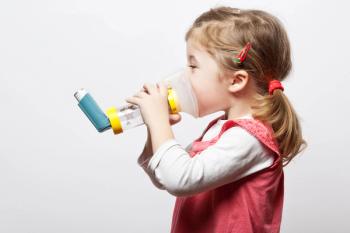
Hidden triggers and asthma mimickers can complicate this common childhood condition.

New data quantify the exposure to wildfire particulate matter among schoolchildren in California, finding that interventions in a small number of schools may reduce the overall burden of wildfire PM2.5 exposure.

COVID-19 prevention practices such as masking, social distancing, and school closures lowered children’s exposures to circulating respiratory viruses and other environmental triggers of asthma.
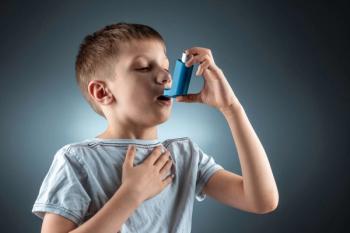
An investigation utilizing machine learning (Recursive Ensemble Feature Selection, REFS) identifies potential biomarkers for asthma control in pediatric patients.
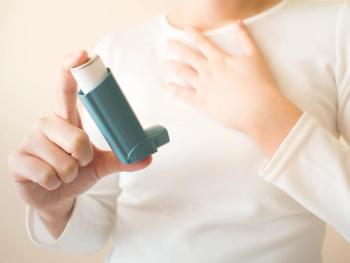
The specific mechanisms involved in associations between air pollution and respiratory illness without viral infection are not understood, especially compared with those of respiratory viruses and asthma exacerbation.

The relationship between C-section and childhood asthma has been investigated before, however, previous results have yielded conflicting evidence.

The CHILDhood Asthma Risk Tool has been consistent in diagnosing risk of persistent wheeze or asthma development in children aged as young as 3 years.
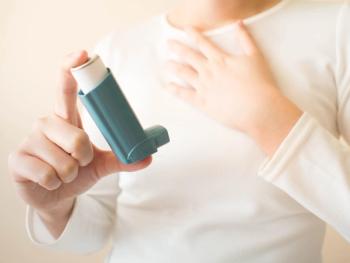
A recent study in China reported increased risk of asthma after early-life exposure to particulate matter (PM), with smaller PM leading to a greater risk.

The AAP recently updated their recommendations urging schools to be prepared for emergency medical situations including seizures, diabetes, allergies/anaphylaxis, mental health, substance use, or asthma.

A look at what the Contemporary Pediatrics® team covered this week.

A new study examines the relationship between an extended duration of mother-child breastfeeding and protective associations to asthma.
Advertisement
Advertisement
Trending on Contemporary Pediatrics
1
Updated AAP guidance changes iron deficiency screening and treatment in children
2
FDA approves levacetylleucine as first treatment for ataxia in ataxia-telangiectasia
3
FDA grants priority review to efzimfotase alfa for hypophosphatasia in patients aged 2 years and older
4
Childhood unpredictability may identify mental health risk missed by ACEs screening
5