







A study has found that prenatal analgesic opioid exposure of 5 or more weeks is associated with a slightly elevated risk of attention-deficit/hyperactivity disorder (ADHD) in children compared to exposure of 4 weeks or less.

A study has found that prenatal analgesic opioid exposure of 5 or more weeks is associated with a slightly elevated risk of attention-deficit/hyperactivity disorder (ADHD) in children compared to exposure of 4 weeks or less.

The US Food and Drug Administration (FDA) has cleared Fortini™, a formula meant for the nutritional needs of term infants with failure to thrive.

Kangaroo care is a cheap, effective intervention to improve outcomes in preterm and low-birth weight infants.

With the delta variant leading to more pediatric infections, awareness of initial symptoms in infants is very important.

New guidelines can aid clinicians in diagnosing infants who have fever, but no other symptoms.

Racial disparities abound in health care. How do they impact neonatal morbidity?

The smell and taste of food are important to digestion and growth. Does providing preterm infants with the smell and taste of milk at feeding times lead to better weight and measurement results?

The first months of life set the course of a child’s health. How effective is an intervention at improving weight outcomes in the infant and use of postpartum care by the mother?

As more extremely preterm infants survive delivery, a study examines whether the advances that allowed for that survival also improve neurodevelopmental outcomes.
A report examines the prevalence of neonatal mastitis and the outcomes of a concurrent serious bacterial infection.
A session at the virtual Scientific Sessions for the American Diabetes Association offered some best practices for the diagnosis and treatment of hypoglycemia.
A session at the virtual Scientific Sessions for the American Diabetes Association examined the potential long-term outcomes for a child who experiences neonatal hypoglycemia.

An investigation looks into whether a new respiratory support system reduces intubation or death in the delivery room.

A report offers the first epidemiological data that applied new criteria for bronchopulmonary dysplasia.

We know that the food habits a child is exposed to can have a lifelong impact on his or her diet. A study examines whether that impact includes the feeding habits from infancy.
A recent study highlights the need to continually monitor the cognitive development of children who were born very preterm.

Breastfeeding duration among New York City Latinx mothers by their birth region significantly varies, according to a recent analysis.

Robust secretion of SARS-CoV-2 specific IgA and IgG antibodies were found in breast milk of breastfeeding women for 6 weeks after the first of 2 vaccinations against COVID-19.

Pregnancy in adolescence can lead to poorer outcomes in both mother and child. An investigation presented at the virtual 2021 Pediatric Academic Societies meeting looks at how educational attainment could impact the outcomes.

Most guidance recommends a delay of at least 30 seconds in cord clamping following delivery. A presentation at the virtual 2021 Pediatric Academic Societies meeting looks at the research.
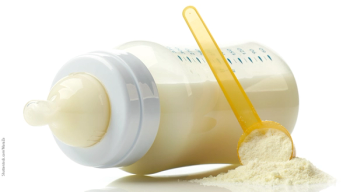
Breast milk is best, but for those babies who won’t or don’t breastfeed there are formula alternatives. Here’s a primer on infant formulas and how to decide which option is appropriate for the individual child.

When using therapeutic hypothermia for treatment, is feeding safe or does it lead to poor outcomes? A study offers answers.

This past year in particular, telehealth showed how effective it could be in delivering quality health care. An investigation looks at how it can be used to help expectant mothers and newborns have positive perinatal outcomes.

A study offers much needed information on the rate of infant mortality in infants who have prenatal exposure to opioids.

It’s not common, but some women may have been given the 9-valent human papillomavirus (HPV) vaccine either during or before pregnancy. A study examines the effect of such exposure on adverse birth outcomes.