




The FDA approves gardenia (genipin) blue as a natural food color, enhancing options for manufacturers and supporting the shift away from synthetic dyes.
The FDA approves gardenia (genipin) blue as a natural food color, enhancing options for manufacturers and supporting the shift away from synthetic dyes.

The nitric oxide–releasing topical is the first prescription medication approved for at-home treatment of molluscum contagiosum.
The FDA accepted Eton Pharmaceuticals' NDA for ET-600 for pediatric arginine vasopressin deficiency, with a target action date in February of 2026.
Though the original target action date was not met by the FDA, KalVista's sebetralstat is now approved to treat HAE in patients 12 years and older.
A roundup of the most impactful FDA approvals in pediatric health from January through June 2025, spanning diagnostics, therapeutics, and at-home care.
A look back at the FDA submissions and regulatory decisions in the pediatric health care space from June 2025.
MNV-201 is being evaluated in phase 2 clinical trials for treatment of the ultra-rare, life-threatening mitochondrial disorder affecting children.

Roflumilast cream 0.05% is being studied for mild to moderate AD in infants aged 3 months to under 2 years in a new phase 2 trial.
The FDA has approved belimumab (Benlysta; GSK) autoinjector for children with lupus nephritis, expanding at-home treatment.

Get caught up with Contemporary Pediatrics! This list helps you navigate our top stories from the week, all in one place.
The FDA has extended the review of ruxolitinib for atopic dermatitis in children 2 to 11 years to September 2025 to evaluate new CMC data.
Lenacapavir is the first twice-yearly option available in the US for those who need or want PrEP, according to Gilead Sciences.

Currently, omaveloxolone (Skyclarys) is approved to treat adults and adolescents aged 16 years and older impacted by FA.
The federal agency has assigned a target action date of January 31, 2026, for a decision.
Garadacimab-gxii is the only treatment to target factor Xlla for prophylactic use to prevent attacks of HAE in patients aged 12 years and older.
Though the decision will not meet the June 17, 2025, target date, the federal agency anticipates a decision within approximately 4 weeks.
The approval for ustekinumab-stba now offers all dosage forms to the reference product, ustekinumab, and is indicated for patients aged 6 to 17 years.
Get caught up with Contemporary Pediatrics! This list helps you navigate our top stories from the week, all in one place.

Currently, Vimkunya is FDA-approved for use among individuals aged 12 years and older.
Glecaprevir/pibrentasvir was a "highly efficacious treatment for people with acute HCV," with 96.2% of patients analyzed having sustained virological response 12 weeks post-treatment.

The phase 2 trial will be 4 weeks and evaluate investigational, once-daily roflumilast cream 0.05% in infants 3 months to less than 2 years of age.
The BLA for clesrovimab was based on results demonstrated in the phase 2b/3 CLEVER trial among healthy pre-term and full-term infants.
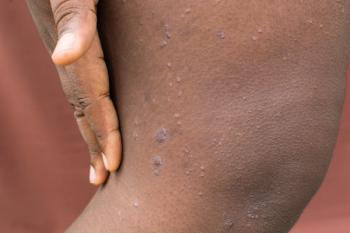
Results at 24 weeks revealed that 76% of individuals achieved a 75% or more improvement in overall disease severity (EASI-75), trial's primary endpoint.

The combination therapy yielded boosted treatment benefits of navepegritide, including improvement in mean ACH Z-score and mean annualized growth.
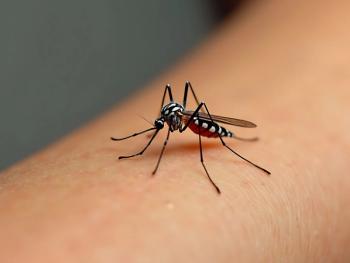
Six-month results from the phase 2 VLA1553-221 trial aligned with initial data and demonstrated immune response at day 180 among patients aged 1 to 11 years.