



The federal agency greenlit nivolumab with ipilimumab for treating MSI-H/dMMR colorectal cancer in adults and children 12 years and up.
The federal agency greenlit nivolumab with ipilimumab for treating MSI-H/dMMR colorectal cancer in adults and children 12 years and up.
If approved, the expanded indication would include children and adolescents aged 6 to 17 years who weigh 99 lbs (45 kg) or more.
View our Q1 2025 recap of standout pediatric news from FDA regulatory updates, clinical trial results, and expert commentary.

Aquestive Therapeutics reports positive pediatric study results for Anaphylm, supporting its FDA submission for treating severe allergic reactions.
A look back at the FDA submissions and regulatory decisions in the pediatric health care space from March 2025.
Submission is based on 3 clinical trials, including data from the ApproaCH Trial among children with achondroplasia.

Get caught up with Contemporary Pediatrics! This list helps you navigate our top stories from the week, all in one place.
Fitusiran is administered subcutaneously starting once every 2 months for patients aged 12 years and older with hemophilia A or hemophilia B, with or without factor VIII or IX inhibitors.
A look ahead to 5 key regulatory decisions scheduled to take place during the second quarter of 2025, from a monoclonal antibody to topical psoriasis treatments.
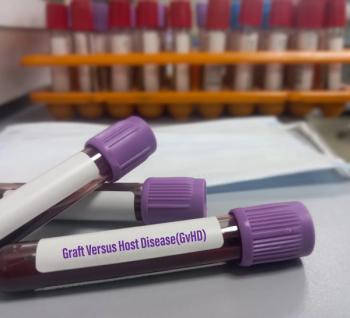
Mesoblast's remestemcel-L (Ryoncil) was approved by the FDA on December 18, 2024 to treat SR-aGVHD in patients 2 months and older. Now, it is available for purchase.

A new clinical trial has found that omalizumab (Xolair; Genetech, Novartis) is more effective than oral immunotherapy (OIT) in treating multi-food allergy in individuals with severe allergic reactions to small amounts of common food allergens.
Diazoxide choline has been granted breakthrough, fast track, and orphan drug designations in the United States.

In this Q+A interview, Craig McDonald, MD, discusses the interim, 90-day data from the phase 1/2 INSPIRE DUCHENNE trial, evaluating SGT-003, a gene therapy candidate for DMD.
The approval marks a vital step toward care for urinary tract infections, helping to reduce recurrence and improve patients’ quality of life.

Results were from the phase 3 STEER study among a broad population of patients with SMA aged 2 to under 18 years.

Prior to approval on February 14, 2025, the only FDA approved vaccine for chikungunya protection was indicated for 18 years and up.

In the final part of this 5-part series, panelists discuss new allergy treatments such as Xolair, early immunotherapy, and their broader impact.
In part 4 of this 5-part series, panelists discuss gaps in pediatric food allergy care, stressing better diagnosis, education, and management.
In part 3 of this 5-part series, panelists discuss the recent Neffy approval, oral immunotherapy, and Xolair’s role in allergy management.
In part 2 of this 5-part series, panelists discuss confusion in food allergy diagnosis and the need for better medical education.
In part 1 of this 5-part series, panelists discuss early allergen introduction, oral immunotherapy, and Xolair for food allergy.
If approved, SYD-101 would be the first and only pharmaceutical option for the treatment of progression of pediatric myopia in the United States.

Jay T. Rubinstein, MD, PhD, highlighted promising CHORD trial data showing that DB-OTO gene therapy has led to hearing improvements in treated participants.
The newly-approved indication is for children aged 4 years and older who weigh 33 < 66 lbs, expanding on the August 9, 2024 approval in children at least 66 lbs.
First approved for PNH in 2007, the monoclonal antibody is now the first and only treatment for pediatric patients living with gMG.