Nichole Tyson, MD, outlines how pediatricians can evaluate menstrual concerns, identify red flags, and determine when specialty care is needed.
Katie McMahon and Kathy Baylis, PhD, discuss research showing that prenatal exposure to hot, humid conditions has significant effects on child growth and health.
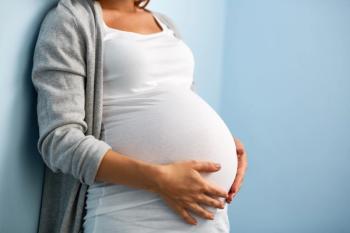
In a Contemporary Pediatrics video interview, Katie McMahon, PhD student at UC Santa Barbara, and Kathy Baylis, PhD, professor at UC Santa Barbara, discussed research examining the association between prenatal heat exposure and long-term child health, with a particular focus on the role of humidity.
Using data from the Demographic and Health Surveys—large, globally representative datasets on maternal and child health—the study evaluated how prenatal exposure to high temperatures compares with exposure to hot, humid conditions measured using wet bulb globe temperature (WBGT). Researchers then assessed child height-for-age Z scores up to age 5, a widely used indicator of chronic health and nutritional status.
The study found that exposure to hot, humid conditions during pregnancy is substantially more harmful to child health than exposure to high temperatures alone. The third trimester emerged as a particularly sensitive window, with humid heat exposures associated with effects on child growth that were roughly 5 times greater than those observed for dry heat at equivalent temperature levels. According to McMahon, failing to account for humidity leads to a significant underestimation of the true health burden of prenatal heat exposure.
Rather than focusing solely on birth outcomes or mortality, the research examined morbidity and lasting health effects among surviving children. Height-for-age Z scores reflect cumulative health insults over time, and lower scores—often described as stunting—are strongly linked to adverse outcomes later in life, including lower educational attainment, reduced income potential, and increased risk of chronic disease. As Baylis noted, stunting is a particularly useful measure because its long-term consequences are well established in the literature.
The findings underscore the importance of early intervention, ideally during pregnancy itself. McMahon emphasized that minimizing heat exposure throughout pregnancy is critical, including during early stages such as conception and the first trimester, when risks may not be immediately apparent to pregnant individuals. Strategies such as staying in cooler environments, maintaining hydration, and increasing awareness of heat-related risks could help mitigate adverse outcomes.
The study also explored future climate scenarios, estimating that by 2050, continued climate change could lead to large increases in childhood stunting because of rising heat and humidity. These risks are especially pronounced in regions such as South Asia, where dense populations live in low-lying, hot, and humid areas. Projections suggest that while high-temperature days may increase by 30% to 40%, days exceeding dangerous humid heat thresholds could rise by 50% to 60%.
Overall, McMahon and Baylis emphasized that climate-related health impacts during pregnancy may be more severe than previously estimated if humidity is ignored, highlighting the need for more comprehensive climate-health assessments and targeted policy responses.
No relevant disclosures.
Reference
McMahon K, Baylis K, Sweeney S, Funk C. Does humidity matter? Prenatal heat and child health in South Asia. Sci Adv. 2025;11(51):eadx3010. doi:10.1126/sciadv.adx3010