





Learn about the selected strains for this year’s flu season, flu vaccine recommendation changes, and newly licensed and forthcoming vaccine options.
Learn about the selected strains for this year’s flu season, flu vaccine recommendation changes, and newly licensed and forthcoming vaccine options.

As immunization rates fall in children, the American Academy of Pediatrics recommends a checkup with physicians.
Purchase follows FDA recommendation to include Omicron component in boosters.
In children 5-11 years old, 2 doses of the Pfizer-BioNTech COVID-19 vaccine were moderately effective against documented, symptomatic Omicron infection.

Patients with a history of infection who were also vaccinated had the strongest protection, the data showed.
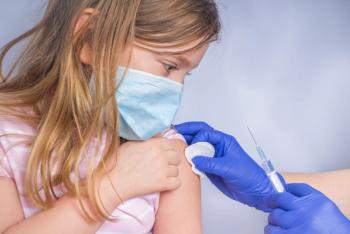
Recently, the AAP announced the launch of a public health campaign to educate caregivers on the benefits of vaccinating all ages.

The FDA today approved the pneumococcal 15-valent conjugate vaccine for the prevention of invasive pneumococcal disease in infants and children.
The FDA today announces the EUA of both Moderna and Pfizer-BioNTech COVID-19 vaccines for use in children aged 6 months and older.

The US Food and Drug Administration (FDA) Vaccines and Related Biological Products Advisory Committee unanimously voted recently to recommend both the Pfizer-BioNTech and Moderna COVID-19 vaccines for individuals aged 6 months and older.

In a video for Contemporary Pediatrics®, Tina Tan, MD, FAAP, FIDSA, FPIDS, discusses an expansion of vaccine access likely to come with the FDA approval of the PRIORIX vaccine.

GSK plc today announced FDA approval of the PRIORIX vaccine for prevention of measles, mumps, and rubella.
Pfizer-BioNTech reports strong immune response, high efficacy, and favorable safety in third dose of the COVID-19 vaccine.

Research suggests that COVID-19 vaccination may serve a therapeutic effect, possibly reducing the risk of developing long COVID when administered to those currently infected.

A look at what the Contemporary Pediatrics® team covered this week.

New data suggest pediatric patients with a history of cardiac arrest are highly susceptible to hospitalization if infected with SARS-CoV-2.
Nearly 9 million symptomatic cases also avoided.

Contemporary Pediatrics® Editorial Advisory Board member Donna Hallas shares her thoughts on the recent authorization of a Pfizer-BioNTech COVID-19 booster shot for children 5-11 years old.
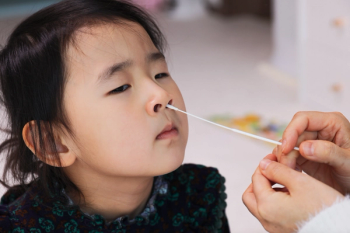
A comparison of COVID-19 PCR tests and rapid self-tests found self-tests to be highly accurate and user-friendly for children.
Children may receive a single booster shot at least 5 months after completing their initial Pfizer-BioNTech 2-dose series.

Active immunization of pregnant women with investigational vaccine protected infants from RSV from birth through at least 6 months.

Children living with HIV had a similar immune response to mRNA COVID-19 vaccination as children without HIV.

What are the unique challenges for individuals with ADHD?

The higher the gestational age when pregnant women received a COVID-19 vaccine, the higher the serological titers at birth.

Study shows that 10% of minorities refused COVID-19 vaccines because of past racial discrimination experiences
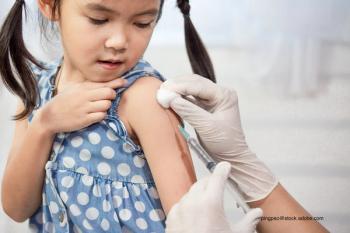
A look at a recently presented study on improving 23-valent pneumococcal polysaccharide vaccine uptake in groups that are at high risk.