



Dermatology
Latest News
Advertisement
Latest Videos





Advertisement
More News
Learn how early detection and treatments for childhood eczema and hives can curb the atopic march and boost sleep, school, and quality of life.
The FDA has approved an every-8-week maintenance regimen for lebrikizumab-lbkz (EBGLYSS), giving eligible adults and adolescents with moderate-to-severe atopic dermatitis as few as 6 injections per year without mandatory topical therapy.

The FDA has approved bemotrizinol as the first new active sunscreen ingredient under the OTC monograph in nearly two decades, clearing the broad-spectrum UV filter for use in adults and children 6 months of age and older.

Common pediatric skin infections are often managed in primary care, but some presentations require dermatology referral and further evaluation.
FDA approval moves adapalene 0.1% and benzoyl peroxide 2.5% gel to OTC use for acne in patients aged 12 years and older.

High school students who viewed tanning positively or sunscreen use negatively were less likely to practice sun safety
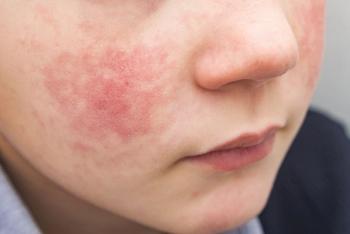
Chronic pediatric skin disorders cause significant stigma, bullying, depression, and suicide risk—conditions often underrecognized and undertreated by physicians.

Phase 3 data show berdazimer gel improved lesion clearance vs vehicle in molluscum contagiosum with a favorable safety profile.
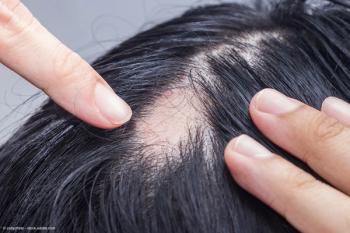
AbbVie filed an sNDA for upadacitinib to treat severe alopecia areata in adults and adolescents based on phase 3 UP-AA trial results.

FDA clearance is being sought for roflumilast cream for infants 3 months and older with mild to moderate atopic dermatitis.

MMR coverage remained below herd immunity 20 months after an Ohio outbreak, with minimal gains and persistent disparities in children.
The FDA approved dupilumab for children aged 2 to 11 years with chronic spontaneous urticaria, making it the first biologic for young pediatric CSU patients.

Real-world data show pediatric hidradenitis suppurativa treatment relies on antibiotics, with delayed escalation and demographic differences in timing.

A pilot study finds diverse arthritis patterns and high metabolic comorbidity burden in idradenitis suppurativa, with IL-17 inhibitors showing improved outcomes.

A review suggests that early use of topical calcineurin inhibitors, corticosteroids, and phototherapy can achieve moderate repigmentation in segmental vitiligo.

A review of 6 novel drugs approved by the FDA, with links to coverage from Contemporary Pediatrics and other MJH Life Sciences brands.

A review of 6 drugs approved by the FDA in Q1 2026, with links to coverage from Contemporary Pediatrics.

Can you correctly guess the diagnosis?

A phase 3 trial shows that lebrikizumab improves skin clearance and itch in infants and children with moderate to severe atopic dermatitis.
Secukinumab now treats moderate to severe hidradenitis suppurativa in patients 12 years and older, making it the first IL‑17A biologic option for teens.

Phase 2b maintenance data show sustained and new EASI, vIGA-AD, and itch responses with monthly or quarterly rezpegaldesleukin.
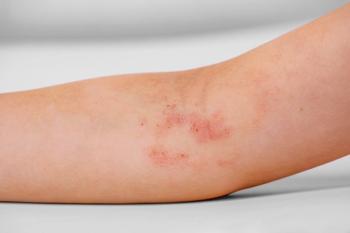
In LEVEL UP period 2, most patients who switched from dupilumab to upadacitinib achieved higher skin clearance and itch relief by 16 weeks.
AbbVie submitted FDA and EMA applications for upadacitinib (RINVOQ) in adults and adolescents with non-segmental vitiligo, supported by phase 3 Viti-Up data.
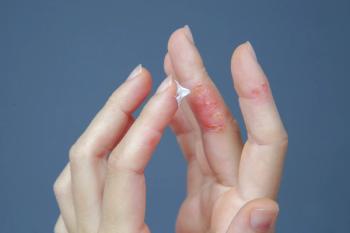
Phase 2 INTEGUMENT-INFANT study results show roflumilast cream 0.05% was well tolerated and improved disease severity in infants with atopic dermatitis.
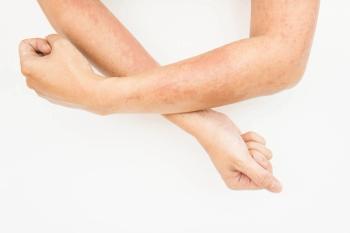
Findings from phase 3 SHORE and COAST 2 trials showed amlitelimab met key efficacy end points in moderate to severe atopic dermatitis, supporting planned regulatory submissions.
Advertisement
Advertisement
Trending on Contemporary Pediatrics
1
FAQ: How should pediatricians manage UTIs under new AAP guidance?
2
Family-focused behavioral care tied to better HbA1c in pediatric T1D
3
FDA proposes cadmium action levels for baby food under Closer to Zero
4
Recognizing skin conditions in children with darker skin tones
5