Learn when your baby is ready for solids, choose safe purees or finger foods, prevent choking, prioritize iron, and introduce allergens confidently.
Review some of the top stories from the Contemporary Pediatrics website over the last week, and catch up on anything you may have missed.
Review some of the top stories from the Contemporary Pediatrics website over the last week, and catch up on anything you may have missed.
Thank you for visiting the Contemporary Pediatrics® website. Take a look at some of our top stories from last week (Monday, October 12 to Friday, October 16, 2026) and click each link to read and watch anything you may have missed.
The FDA approved Gazyva (obinutuzumab), a B-cell-depleting monoclonal antibody from Genentech, to reduce relapse risk in patients 2 years and older with frequently relapsing or steroid-dependent childhood-onset idiopathic nephrotic syndrome who are in complete remission, described as the first new treatment option for the condition in roughly 70 years. In the phase 3 INShore trial, 95% of patients on Gazyva remained relapse-free through week 52, compared with 73% of those on mycophenolate mofetil, with no new safety signals reported.
Experts cautioned that B-cell depletion carries risks such as serious infection and effects on vaccination timing, and that the 2025 KDIGO guidelines have not yet incorporated the drug, still listing mycophenolate mofetil as a reasonable, low-toxicity option.
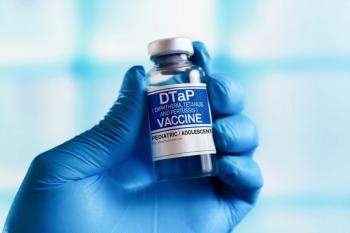
During a 2024 pertussis outbreak in Alaska that pushed incidence to a record 83 cases per 100,000 people, a matched case-control study found that children aged 6 months to 6 years who completed the 3-dose DTaP primary series had an adjusted vaccine effectiveness of 96.2%, compared with 85.3% for partial vaccination. Among 84 confirmed cases and 229 matched controls, nearly 62% of cases were unvaccinated versus about 12% of controls.
The authors, writing in MMWR, noted that the state's vaccination coverage had fallen below the national average and said the findings support starting the pertussis series at 2 months of age, though they cautioned the study did not capture symptom severity or maternal vaccination status.
A cross-sectional analysis of more than 57 million US births from 2003 to 2024 found that the Black-White infant mortality gap, which had narrowed for over a decade, widened again after 2020, and that sudden unexpected infant death (SUID) was the single largest contributor to both the 2024 gap and its recent growth. Published in JAMA Network Open, the study found the gap grew from 6.0 to 6.4 deaths per 1,000 live births between 2019 and 2024, with SUID accounting for roughly a quarter of the disparity, 92% of which reflected differences in mortality rates rather than how many infants were born preterm.
The authors said the timing coincided with the COVID-19 pandemic and widening disparities in maternal mortality, but cautioned they did not directly test those or other proposed explanations, such as rising opioid deaths among Black Americans.
A 25-year review of more than 122,700 US poison center reports found that intentional substance exposures at school are climbing fastest among the youngest students, with rates among children aged 6 to 10 rising 287% from 2000 to 2024, compared with 112% for ages 11 to 13 and a slight decline among high schoolers. Published in the American Journal of Emergency Medicine, the analysis found elementary-age exposures were driven mostly by misuse of items such as hand sanitizer, while high school exposures more often involved analgesics, stimulants, and suspected self-harm, carrying five times the risk of a serious medical outcome.
The authors called for restricting medication access and stocking naloxone in schools, while cautioning that poison center data likely undercount the true scope of the problem since not all exposures are reported.
Clinicians are warning that type 2 diabetes diagnosed in childhood or adolescence can progress more aggressively than adult-onset disease, with youth tending to lose insulin-producing beta-cell function more steeply, according to a Nationwide Children's Hospital endocrinologist. Long-term data from the TODAY study, which followed 500 people diagnosed with youth-onset type 2 diabetes for roughly 13 years, found 60% developed at least one diabetes-related complication and nearly a third developed two or more by their mid-20s.
Current ADA guidelines call for risk-based screening starting at puberty or age 10 in youth with overweight or obesity plus an added risk factor. The article's highlighted patient case of diabetes remission after lifestyle changes was described as anecdotal and not generalizable.