Poison center reports of intentional school exposures rose 287% in elementary and 112% in middle school children from 2000 to 2024.
Bianca Edison, MD, MS, FAAP, FAMSSM, explains why e-bike injuries were more severe than e-scooter injuries and how pediatricians can open safety conversations.
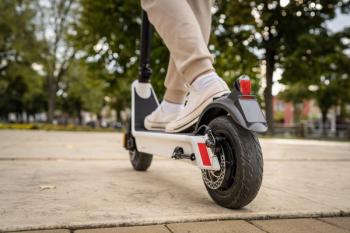
Pediatric injuries associated with electric bikes (e-bikes) and electric scooters (e-scooters) increased nearly 4-fold, from 33 cases in 2019 to 124 cases in 2025, at a single quaternary pediatric hospital, according to research presented at the American Academy of Pediatrics 2026 National Conference & Exhibition.¹ The analysis was intended to put hard numbers behind what Bianca Edison, MD, MS, FAAP, FAMSSM, and her colleagues had observed anecdotally in weekly case reviews, in clinic, and on local streets.
The study included 379 patients (70% male; mean age, 14.2 years), identified using a large language model. E-scooters accounted for 77% of injuries, but the share involving e-bikes grew from 21% in 2019 to 31% in 2025. An unprovoked fall or loss of control was the most common mechanism (71%), and the upper extremities, lower extremities, and head were the most frequently injured sites.¹
E-bike riders had worse outcomes than e-scooter riders across every severity measure, including concussion (17% vs 8.6%), fracture (48% vs 36%), surgery (26% vs 9.7%), and inpatient admission (27% vs 10%). By Pediatric Trauma Score, 8.8% of e-bike injuries were classified as potentially life-threatening vs 2.8% of e-scooter injuries. Edison attributed the gap to the greater weight of e-bikes, higher attainable speeds depending on e-bike class, and aftermarket modifications that push some devices toward an electric motorcycle category without formally meeting that definition.
"And so with all of that, there's much more force potential, there's much more torque potential, and so from a physics perspective, kids can get launched off or thrown off more easily," Edison said in an interview with Contemporary Pediatrics at the American Academy of Pediatrics (AAP) 2026 National Conference & Exhibition in San Diego, California.
Illegal riding—defined under California law as operating an e-scooter before age 16 years or riding an e-bike before age 18 years without a helmet—was identified in 53% of patients, yet legal compliance was not associated with less severe outcomes after adjustment. According to Edison, that narrow definition did not capture other risk behaviors, such as exceeding speed limits, racing peers, weaving through traffic, and carrying a passenger whose added weight exceeded what the device was designed to bear. Patients often reported riding fast and losing control or becoming frightened and letting go. Prevention efforts should include community partnerships, rider education, and potentially rider training, she said.²
Pediatricians were well positioned to identify at-risk riders through routine questions about how patients traveled to school and on weekends, according to Edison.
"I think it opens up a really wonderful opportunity for pediatricians, who are those respected and trusted partners, medical partners for families, to ask during an annual physical," Edison said.
A positive response could prompt discussion of helmet use, adherence to riding rules, and whether patients and families knew those rules at all. Edison questioned whether the general public understood these regulations and emphasized sharing evidence-based data with families.
Edison is an attending physician in the Jackie and Gene Autry Orthopedic Center at Children's Hospital Los Angeles, where she practices pediatric sports medicine and orthopedics.