Study details and results
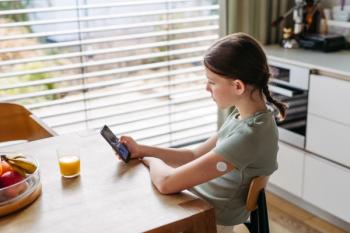
In a phase 3, parallel, and 1:1 randomized clinical trial, 172 participants aged 13 to 18 years with T1D for at least 12 months, at 2 children's hospitals in Seattle, Washington and Houston, Texas were included. The trial was conducted for 12 months. Patients also had elevated diabetes distress for at least 12 months.1
The PRISM intervention program is a manualized, individual, and skill-based program that "teaches stress management, goal setting, reframing, and meaning-making, facilitated by a coach and accompanied by a digital app, was delivered in three 30- to 60-minute sessions approximately 2 weeks apart," per the study authors.1
Baseline mean (SD) HbA1c level of the 172 adolescents (56% female) was 8.7%. At the 6-month mark of the study, no differences were observed between PRISM and usual care (UC) recipients in HbA1c levels (β, −0.21 [95% CI, −0.65 to 0.22]; P = .33) or diabetes distress (β, −2.71 [95% CI, −6.31 to 0.90]; P = .14) or any participant-reported outcome (eg, β, 2.25 [95% CI, −0.30 to 4.80]; P = .08 for self-management behaviors) at 6 months.1
At 12 months, no statistically significant differences between arms in HbA1c levels were observed (β, −0.26 [95% CI, −0.72 to 0.19]; P = .25), though PRISM recipients reported significantly greater amelioration of diabetes distress compared to UC patients (β, −4.59 [95% CI, −8.25 to −0.94]; P = .01), as well as improved self-management behaviors (β, 3.4 [95% CI, 0.9 to 5.9]; P = .01).1
Conclusion
"These findings suggest that future research should further study resilience skills building for adolescents with T1D and diabetes distress, such as identifying optimal timing and dose to bolster the 12-month effects observed in this trial and longer-term follow-up periods to study sustained improvements and potential later effects on HbA1c values,' stated the investigative team.1
The authors concluded while additional research is required and should focus on specific resilience skills, overall findings suggest that the strengths-based PRISM intervention, "represents a feasible and moderately efficacious approach to promote psychosocial and behavioral health benefits among adolescents with T1D and elevated diabetes distress."1
References:
1. Yi-Frazier JP, Hilliard ME, O’Donnell MB, et al. Promoting Resilience in Stress Management for Adolescents With Type 1 Diabetes: A Randomized Clinical Trial. JAMA Netw Open. 2024;7(8):e2428287. doi:10.1001/jamanetworkopen.2024.28287
2. Hagger V, Hendrieckx C, Sturt J, Skinner TC, Speight J. Diabetes distress among adolescents with type 1 diabetes: a systematic review. Curr Diab Rep. 2016;16(1):9. doi:10.1007/s11892-015-0694-2