SUID was the largest single contributor to the Black-White infant mortality gap in 2024 and drove the biggest share of its rise since 2020.
Semaglutide cut testosterone by half in early trial data — but one patient's rapid weight loss revealed a real risk. Our experts weigh the promise of GLP-1 therapy against how fast is too fast for teens.
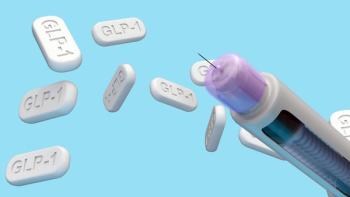
Cree closes the discussion by looking at where PMOS treatment is headed, starting with a candid limitation: insurance still doesn't cover GLP-1 receptor agonists for PMOS specifically. She reports that semaglutide produces weight loss in about 75% of adolescents, and that phentermine/topiramate helps roughly 45% lose 5% of their body weight — meaningful but not universal responses. She shares early data, published last month in Fertility and Sterility with permission from her trial's data safety monitoring board, from eight adolescents with PMOS on injectable semaglutide: all lost at least 10% of body weight, free testosterone fell 52%, and 6 saw more frequent periods, four reaching monthly cycles. But one participant's rapid 13% weight loss over 10 months drove her into hypogonadotropic hypogonadism — her LH and FSH bottomed out, her periods became less frequent, and her estrogen fell alongside her testosterone. Cree has since seen a second similar case. She draws a parallel to the hypogonadotropic hypogonadism seen after bariatric surgery and cautions that PMOS care shouldn't necessarily chase bariatric-surgery-speed weight loss, even though patients often want to lose weight as quickly as possible.