

Permanent daylight saving time could affect pediatric sleep, with later evening light posing particular concerns for children and adolescents.

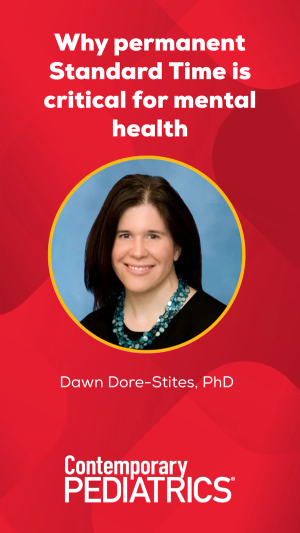
Dawn Dore-Stites, PhD, is Clinical Associate Professor of Pediatrics, Fellowship Director, Pediatric Psychology, University of Michigan Medical School.
Permanent daylight saving time could affect pediatric sleep, with later evening light posing particular concerns for children and adolescents.
Permanent daylight saving time could disrupt children's circadian rhythms, affecting sleep, school performance, mood, and morning safety.
August 14th 2026