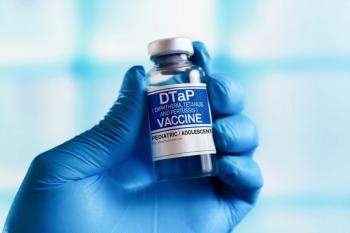
Completing the DTaP primary series was 96.2% effective against pertussis in Alaska children aged 6 months to 6 years during a record 2024 outbreak.
The currently recommended childhood immunization schedule put forth by the Centers for Disease Control and Prevention (CDC) is designed to protect infants and young children from 14 harmful and potentially deadly diseases before a child’s second birthday.
The currently recommended childhood immunization schedule put forth by the Centers for Disease Control and Prevention (CDC) is designed to protect infants and young children from 14 harmful and potentially deadly diseases before a child’s second birthday. A recent study, however, showed that 25% of first-time expectant mothers were not planning to have their child receive all the recommended vaccinations consistent with the vaccination schedule,1 underscoring the need for improved access to vaccine information from healthcare professionals that could hopefully positively impact vaccination decisions.
“This finding highlights the need for pediatricians and family physicians to be ready to address parents’ vaccine-related questions and concerns. It’s an indication that many parents will likely be coming in with questions about the recommended schedule, so this is an opportunity, early on, for healthcare providers to talk about how vaccines protect infants and young children and why it is important to protect them as soon as possible,” says Judith Weiner, PhD, health research analyst and Northrop Grumman contractor, National Center for Immunization and Respiratory Diseases, Centers for Disease Control and Prevention, Atlanta, Georgia, and lead author of the study.
Weiner and fellow researchers surveyed 200 first-time expectant mothers in their second trimester of pregnancy on their knowledge, beliefs, intentions, and behaviors regarding childhood immunizations. Results showed that although 75% of study participants planned to go ahead with recommended immunizations for their child, 10.5% planned spacing vaccinations between separate clinic visits; 10.5% were undecided about immunization for their child; and 4% planned to have their child receive only some of the recommended vaccinations. Data also showed that although approximately 30% of expectant mothers were familiar with the recommended vaccination schedule, 42% were dissatisfied with their current level of knowledge regarding childhood vaccinations, and only 36.5% had received information about vaccines from their physician or midwife.
“Vaccine education is an ongoing process and immunization conversations should ideally start before the baby is born. Pregnant women and their partners can get more informed by talking with their prenatal healthcare professionals, including OB/GYNs and midwives, about vaccines that will be needed for their child.” -Judith Weiner, PhD
In the United States, the CDC sets the childhood immunization schedule based on recommendations from the Advisory Committee on Immunization Practices (ACIP), also approved by the American Academy of Pediatrics (AAP) and the American Academy of Family Physicians (AAFP). According to Weiner, research by the CDC has shown that there is a strong support among pediatricians, family physicians, and others involved in children’s healthcare for the CDC’s recommended immunization schedule. In addition, because the CDC, AAP, and AAFP make it a priority to have the same vaccination recommendation, the vast majority of healthcare providers will likely be on the same page regarding childhood immunizations.
Most parents turn to their child’s healthcare provider for advice, Weiner says, and consider them the most trusted source for information on vaccines. However, many parents, especially first-time parents, have questions and concerns about the amount of pain associated with shots; whether vaccines cause fevers; the number of vaccinations given at a visit; and the age at which vaccines are given. In addition, some parents continue to have questions or concerns that vaccines might cause autism. It is not surprising that parents have these questions and concerns, Weiner explains, because they have easy access to a great deal of information, some of which is conflicting and inaccurate.
“Vaccine education is an ongoing process and immunization conversations should ideally start before the baby is born. Pregnant women and their partners can get more informed by talking with their prenatal healthcare professionals, including OB/GYNs and midwives, about vaccines that will be needed for their child. The child’s future pediatrician could also start discussing vaccines with parents early on, allowing time for questions and concerns to be addressed,” Weiner says.
Although the Internet can complement childhood vaccination recommendation conversations with parents, it should not replace them.
Obstetricians/gynecologists (OB/GYNs) are in a unique position to introduce to their patients the importance and safety of maternal immunization. However, although OB/GYNs can talk to pregnant patients about the vaccines they need, Weiner says that the future pediatrician is the best information source for childhood vaccines. Nevertheless, OB/GYN physicians should ensure that their patients are up-to-date on needed vaccines prior to conception and that they receive appropriate vaccines during and after pregnancy.
When an infant is due to receive vaccines, Weiner says that pediatricians should make the time to assess the parents’ information needs as well as the role they desire to play in making decisions for their child’s health, and then follow up with communication that meets their needs. According to Weiner, pediatricians should be prepared to use a mix of science and personal stories that will be most effective in addressing parents’ questions.
Although it can be very useful, the vast amount of information readily available on the Internet has made it more important than ever for parents to receive childhood vaccination advice and recommendations from physicians. According to Weiner, parents need the expertise and experience that physicians and healthcare providers can best supply. Although the Internet can complement childhood vaccination recommendation conversations with parents, it should not replace them.
“Most of our study participants expressed interest in vaccine information even though they were not yet active information seekers and few had received vaccine information from someone directly involved in their care as of the second trimester of pregnancy. We believe that proactive efforts by physicians with first-time mothers during pregnancy could foster stronger understanding of vaccination recommendations and improved protection of children against vaccine preventable diseases,” Weiner says.
Reference
1. Weiner JL, Fisher AM, Nowak GJ, Basket MM, Gellin BG. Childhood immunizations: first-time expectant mothers' knowledge, beliefs, intentions, and behaviors. Am J Prev Med. 2015;49(6 suppl 4):S426-S434.
Dr Petrou is a freelance medical writer based in Budapest, Hungary. He has nothing to disclose in regard to affiliations with or financial interests in any organizations that may have an interest in any part of this article.