

Opinion|Videos|January 19, 2026
EHR Collaboration and New Steroid-Sparing Topicals in Pediatric Dermatoses
Author(s)Adelaide A. Hebert, MD, Autumn Atkinson, MD
See how shared EHRs support collaborative care and review newer steroid-sparing topical therapies for pediatric atopic dermatitis and psoriasis.
Advertisement
Episodes in this series
Effective longitudinal management of complex pediatric dermatoses increasingly depends on strong collaboration between pediatricians and dermatologists. Autumn Atkinson, MD, associate professor in the Department of Pediatrics at McGovern Medical School at UTHealth Houston, describes how shared electronic health records, including high-quality clinical images, support real-time updates on evolving eruptions, medication exposures, and treatment responses. Adelaide Hebert, MD, professor and director of pediatric dermatology at McGovern Medical School at UTHealth Houston, adds that photographic documentation can also be critical for insurance approval of advanced therapies, as payers often require visual evidence of disease severity.
Within this framework, Hebert reviews three newer targeted, steroid-free topical agents that are changing the treatment landscape for pediatric atopic dermatitis and psoriasis. These include ruxolitinib cream, a topical Janus kinase inhibitor approved for mild to moderate atopic dermatitis and vitiligo down to 2 years of age; tapinarof, an aryl hydrocarbon receptor agonist approved for atopic dermatitis and plaque psoriasis in adults with emerging pediatric experience; and roflumilast cream, a phosphodiesterase 4 inhibitor approved for pediatric atopic dermatitis and plaque psoriasis, including intertriginous disease.
In this segment, Hebert and Atkinson explain how these agents expand options for children in whom long-term steroid use is undesirable or ineffective. They highlight the benefits of expanded age indications, once-daily dosing, and suitability for sensitive areas, allowing clinicians to individualize therapy while minimizing corticosteroid-related adverse effects.
Advertisement
Related to this article

Review some of the top stories from the Contemporary Pediatrics website over the last week, and catch up on anything you may have missed.
Learn when your baby is ready for solids, choose safe purees or finger foods, prevent choking, prioritize iron, and introduce allergens confidently.

Christina Boull, MD, shares recommendations for infant skin care, including choosing gentle cleansers, avoiding irritants, and supporting the skin barrier.
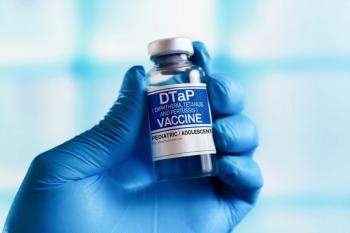
Completing the DTaP primary series was 96.2% effective against pertussis in Alaska children aged 6 months to 6 years during a record 2024 outbreak.

Keisha L. Gibson, MD, MPH, discusses the FDA approval of Gazyva for childhood-onset INS and its implications for relapse prevention and pediatric care.

Hai D. Nguyen-Tran, MD, discusses clinical signs, neurologic warning symptoms, supportive care, and preventing the spread of hand, foot, and mouth disease.

Topical botanical Cinainu earned FDA Breakthrough Therapy status for AA in patients aged 2+, supported by phase 2/3 RAAINBOW data in children.
The FDA accepted the Anaphylm NDA resubmission as a class 2 response, setting a March 16, 2027, PDUFA date for the sublingual epinephrine film.
Advertisement
Advertisement
Trending on Contemporary Pediatrics
1
Hand, foot, and mouth disease: Red flags pediatricians should know
2
DTaP 96% effective against pertussis in Alaska outbreak
3
Early choline in FASD tied to IQ, memory gains 5 years later
4
AI fundus model predicts 1-year high myopia progression in children
5