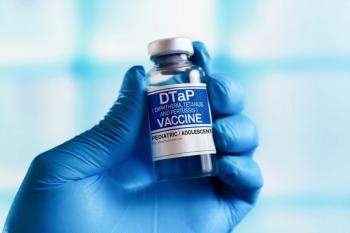
Completing the DTaP primary series was 96.2% effective against pertussis in Alaska children aged 6 months to 6 years during a record 2024 outbreak.
New evidence supports influenza, COVID-19, and RSV immunizations for reducing severe respiratory illness and hospitalization.
A new independent evidence review supports the continued safety and effectiveness of immunizations against influenza, COVID-19, and respiratory syncytial virus (RSV), providing clinicians with updated data as they counsel families during the 2026-2027 respiratory virus season.1-4
The Vaccine Integrity Project, in collaboration with the American Medical Association, reviewed hundreds of peer-reviewed studies published since August 2025. The review found that immunizations continued to provide protection against severe illness, hospitalization, and death, with no new safety concerns identified in comparative studies. The findings helped inform 2026-2027 respiratory virus immunization recommendations from several medical organizations, including the American Academy of Pediatrics.1
For influenza, investigators screened more than 5800 studies and identified 69 newly published studies. An analysis of national surveillance data spanning 8 influenza seasons found vaccine effectiveness of 80% against laboratory-confirmed influenza-associated deaths among children aged 6 months to 17 years. Among children in that age group with underlying health conditions, vaccine effectiveness was 48% against influenza-related hospitalization or emergency department visits.2
The COVID-19 review screened more than 11,000 studies and included 155. Among young children aged 9 months to 4 years, vaccination was associated with a 76% reduction in COVID-19–related pediatric emergency department visits. Maternal vaccination was also associated with protection during early infancy, with vaccine effectiveness ranging from 50% to 54% against COVID-19–related hospital contacts during the first 2 months of life.4
RSV findings similarly demonstrated protection for infants. Among more than 2000 studies assessed, 75 met criteria for inclusion. Maternal vaccination reduced infant hospitalization risk by 51% to 70%, while nirsevimab reduced RSV-related hospitalization risk by 63.6% to 93.0% during the first RSV season.3
Kevin Ault, MD, FACOG, noted that immunization during pregnancy can provide an opportunity to begin conversations about protecting infants before families arrive in the pediatrician's office.
“I think all 4 of the vaccines that are on ACOG's recommendations have direct newborn benefit,” Ault said. “Two of them are newer; the COVID vaccine and RSV recommendations are newer in just the past few years, whereas the influenza vaccine we've been recommending for several decades, and we've known that it's beneficial for the newborn for at least 20 years for the flu vaccine.”
Ault said discussions during pregnancy may also support subsequent conversations between families and pediatric clinicians.
“If you start talking about those vaccines during pregnancy, that makes the conversations a little easier for our colleagues in pediatrics and family medicine with those newborns,” he said. “We ought to be having people work together.”
Pertussis provides one example of how maternal and childhood immunization can work sequentially. Ault explained that maternally derived antibodies provide protection during early infancy before the child's own vaccination series builds immunity.
“All those antibodies that are most of them in the first few months of life are maternal antibodies,” Ault said. “And so, it's a congruent story if you can get all the facts in about whooping cough.”
RSV prevention adds another consideration because protection may come through maternal vaccination or infant monoclonal antibody immunization.
“There really needs to be coordination of care between the obstetric care providers and the pediatric care providers, especially that transition during the first few days of life,” Ault said. “And, it's a little bit of a complicated system, but, we don't want to miss opportunities to prevent RSV early on.”
For pediatricians, the findings provide updated evidence to support discussions with families about respiratory virus prevention while emphasizing coordination with obstetric clinicians when determining an infant's existing protection and immunization needs.