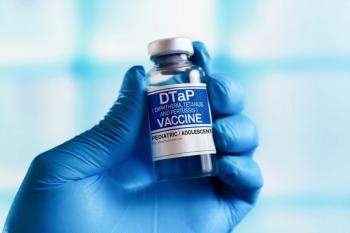
Completing the DTaP primary series was 96.2% effective against pertussis in Alaska children aged 6 months to 6 years during a record 2024 outbreak.
Jonathan Miller, MD, discusses factors behind lagging HPV vaccination rates and how pediatricians can address common parent concerns.
Human papillomavirus (HPV) vaccination coverage has plateaued and, in some cases, declined, creating concern about missed opportunities to prevent HPV-related cancers,1 according to Jonathan Miller, MD, a general pediatrician at Nemours Children's Health and pediatrics residency program director.
For pediatricians working with families, Miller said 2 factors may help explain the trend: growing vaccine hesitancy and differences between HPV vaccination and other adolescent vaccines that are required for school attendance.
"It's an unfortunate situation that we have had this plateau and, in some cases, a decrease in coverage for HPV vaccine," Miller said. "HPV vaccine is such an important vaccine to prevent cancer, and it's something that we want to promote strongly in pediatrics."
Vaccine hesitancy did not begin with the COVID-19 pandemic, Miller noted, but he has observed greater skepticism in the years since.
"One reason is that we've seen worsening vaccine hesitancy over time, and that hesitancy preceded COVID, but has certainly been worse in the years since the COVID pandemic," Miller said.
For pediatricians and other clinicians providing primary care, that hesitancy can extend beyond a single vaccine. Miller said clinicians are encountering parents who are skeptical about vaccines both for themselves and their children.
The HPV vaccine also differs from several other vaccines commonly administered during adolescence because it is not required for school entry in most states, according to Miller.
He pointed to meningococcal and tetanus vaccination as examples of vaccines for which school requirements can contribute to higher uptake. Miller noted that states with an HPV vaccination requirement, such as Rhode Island, have demonstrated high coverage.
Another challenge is a persistent misconception about when children should receive the vaccine.
"I think the most common thing that I see parents, the sort of misconception, is that they think that they should wait to give the HPV vaccine until they think that their kid is becoming sexually active," Miller said.
Miller said the conversation around HPV vaccination has shifted away from framing the vaccine primarily in relation to sexual activity. Instead, he emphasized its role in preventing cancer and the importance of administering it before a child is exposed to HPV.
"This is a virus that gets transmitted in many ways, including sexually, but it's a vaccine that prevents cancer, and you really want to give it to kids before they're ever exposed," Miller said.
Waiting until parents believe their child may soon become sexually active can therefore miss the intended timing of vaccination, he added.
"When parents are already beginning to think about things like sexual activity in their growing kid, you're already sort of behind the curve," Miller said. "You really want to be doing this before you're ever having that consideration because that's when you're minimizing the risk for getting HPV virus."
Questions about adverse effects represent another concern Miller frequently hears from parents, particularly fears about serious or long-term effects.
For these conversations, he pointed to the length of time the HPV vaccine has been in use. In 2026, the vaccine reached 20 years since its introduction, providing clinicians and families with a substantial body of evidence and experience.
"I think the other thing that I see parents concerned about is the potential for serious or long-term side effects related to the vaccine," Miller said. "And fortunately, we now have had this vaccine for 20 years. This year we celebrated 20 years with the HPV vaccine, and we have a lot of really great evidence to make us feel very comfortable that this is both safe and quite effective."
For pediatricians, Miller's comments highlight the importance of positioning HPV vaccination as cancer prevention, addressing safety questions directly, and discussing vaccination before families begin considering potential HPV exposure.