

Contemporary Pediatrics sits down with Jane M. Carnazzo, MD, FAAP, in the latest installment of the Meet the Board series.
Ms. Hester is Content Specialist with Contemporary OB/GYN and Contemporary Pediatrics.
Contemporary Pediatrics sits down with Jane M. Carnazzo, MD, FAAP, in the latest installment of the Meet the Board series.

The 2020-2021 academic year was unlike any seen by parents, children, and educators. A poll examines how the experiences of 2020-2021 color the expectations for the new school year.

Merck has released promising topline results from their study of VAXNEUVANCE™, a 15-valent pneumococcal conjugate vaccine, in infants.

Some states require a person to mail in the benefits card or visit a local office to receive more Special Supplemental Nutrition Program for Women, Infants, and Children (WIC) benefits. With the inherent risk of in-person contact or delays in mail, did this lead some families to not participate?

Faced with the fourth highest vaccine exemption rate, Michigan began requiring an education session before a parent could get a nonmedical exemption. Did it lead to an improvement?

Vaping has led to some serious erosion in the campaign to end adolescent nicotine use. What drives vaping cessation in this population?

A phase 3 trial studies the effectiveness of oral abrocitinib along with topical therapy for moderate-to-severe atopic dermatitis.

The past 18 months has meant a lot more time in the home and on a screen for children. How has this affected the incidence of childhood myopia?

The smell and taste of food are important to digestion and growth. Does providing preterm infants with the smell and taste of milk at feeding times lead to better weight and measurement results?

Nonprescription opioid use can significantly increase the risk of opioid overdose. What factors may lead teenagers to this high-risk behavior?
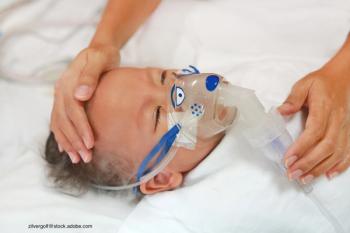
Respiratory syncytial virus (RSV) usually has a similar season as influenza. However, face masks and social distancing have altered the timeline. The American Academy of Pediatrics (AAP) has released guidance for using palivizumab during this interseason period.

Many conditions are different in the pediatric population than in the adult population. How does hidradenitis suppurativa differ between the 2 groups?

For children who have either experienced a delay in pertussis vaccination or who haven’t received the recommended number of doses, what is their risk of pertussis? A new study provides answers.
Children receiving palliative care may suffer from a variety of symptoms. A report examines the most common ones as well as how frequent and severe they are.

The president of the New Jersey chapter of American Academy of Pediatrics (AAP) discusses the just released mask mandate for public schools in the state and how to combat mask weariness.

Contemporary Pediatrics sat down with Andrew J. Schuman, MD, FAAP, to discuss what went into the new system.

For children and teenagers with lingering COVID-19 symptoms, the American Academy of Pediatric offers updated guidance for follow-up care.

Neighborhood disadvantage can lead to suboptimal health outcomes in children. Is this true for brain structure and neurocognition?

Bullying due to a marginalized identity is a sad fact of life for far too many children and teenagers. A study examines how such bullying can lead to poorer health.

The first months of life set the course of a child’s health. How effective is an intervention at improving weight outcomes in the infant and use of postpartum care by the mother?

Treatment for systemic juvenile idiopathic arthritis (sJIA) has long included steroids, but biologics now offer new ways to treat. Does early initiation of biologic therapy lead to a lessening in steroid use?

Patient portals can be a powerful communication tool for both clinician and family, but can they also be used to improve uptake of the annual influenza vaccine?

Knowing what conditions are the most prevalent and costly in hospitals can help determine the focus of future research, which can ensure better care. A report sheds some light.

The Infectious Disease Society of America discussed keeping children and teenagers safe in the upcoming school year.
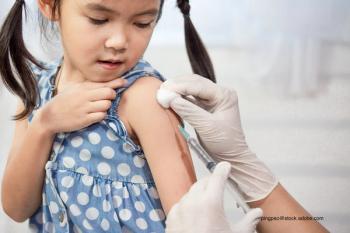
Hospitalized children are often at risk of influenza morbidity and mortality, which means that influenza vaccination before discharge can help mitigate those risks. A study discusses how a quality improvement program could make a difference.

Intravenous (IV) magnesium sulfate is recommended for treating refractory pediatric asthma, but is it linked to consequent hospitalization?

The US Food and Drug Administration (FDA) has approved the AstraZeneca once-weekly injectable therapy for use in children aged 10 to 17 years.

A study looks at the prevalence of preventive oral care and overall oral health in children who have special health care needs.

AZSTARYS (serdexmethylphenidate and dexmethylphenidate) is available for prescription to help provide rapid and extended duration of attention-deficit/hyperactivity disorder (ADHD) symptoms.

A study looks into the neurological and psychiatric aspects of COVID-19 infections.