
Home furnishings, toys, home electronics, and other consumer products may be responsible for the nonfatal pediatric traumatic brain injuries (TBIs) that send children aged 0 to 19 years to the emergency department, according to a recent study.
Ms. Hester is Content Specialist with Contemporary OB/GYN and Contemporary Pediatrics.
Home furnishings, toys, home electronics, and other consumer products may be responsible for the nonfatal pediatric traumatic brain injuries (TBIs) that send children aged 0 to 19 years to the emergency department, according to a recent study.

Environmental issues have long had myriad impacts on fetal and child development. A recent study suggests that expectant mothers living near oil and gas wells may be more likely to give birth to an infant with congenital heart defects (CHD).

Could encouraging parents and teenagers to discuss sex lead to the teenager practicing safe sex in the future? A recent meta-analysis examines the effectiveness of “the talk” on delaying sexual initiation and future safe sexual practices

How effective is hydroxyurea in preventing acute care for children with sickle cell disease (SCD)? A new study examined the use of hydroxyurea in children with SCD who were covered by Medicaid.

Encouraging exclusive breastfeeding is one key elements to giving infants a good start. Unfortunately, some mothers aren’t able to maintain exclusive breastfeeding once they go back to work. A new study looks at whether extending maternity leave could improve exclusive breastfeeding rates.

Teenagers who use prescription opioids in a nonprescription manner may be more likely to move onto using heroin, according to a recent study.

Poorer educational outcomes may need to be added to the list of the potential outcomes for children who have type 1 diabetes.

Although in-flight emergencies are well-characterized events when they occur with an adult, the data for in-flight emergencies that occur in children are lacking. A new study published in the Annals of Emergency Medicine emphasizes the need for more information.

Girls have been the focus of stories looking at the early onset of puberty, but a new study from Sweden indicates that some boys also may have been undergoing early puberty.

Are the slowly rising temperatures across the United States and the world leading to fetal development issues, particularly fetal growth?
Using palivizumab in infants with cystic fibrosis (CF) may not lead to long-term improvements, according to a new study published in Pediatrics. Researchers used the Cystic Fibrosis Foundation Patient Registry data.


A new study from Germany highlights another reason to fight childhood obesity: to reduce the risk of developing pediatric multiple sclerosis (MS) as well as protect the efficacy of first-line treatment for the disease.

The focus on screen time has been on its impact on toddlers and young children, but a new study in JAMA Pediatrics indicates that teenagers can be impacted by long periods of screen time as well, with negative mental health consequences.

Meant to help infants breastfeed more easily, the frenotomy procedure appears to be performed on some infants who don’t require it, according to a new study found in JAMA Otolaryngology-Head and Neck Surgery.

With parental substance use on the rise, in large part attributed to the opioid crisis, foster care is seeing an increased number of children being placed into its system, according to a research letter published in JAMA Pediatrics.

It may seem like something that only adult women will experience, but reproductive coercion can be a problem for older teenaged girls as well, according to a new study published in Obstetrics & Gynecology.

A new study from Children’s National in Washington, DC, confirms that universal background checks and strict state laws are key to reducing the deaths of children and teenagers by firearms.

A new study highlights the fact that black, Hispanic, and other ethnic minority children who suffer from out-of-hospital cardiac arrest are less likely than their white counterparts to receive cardiopulmonary resuscitation (CPR) from a bystander.

A new study from researchers at Columbia University indicate that the solution to increasing influenza immuinzation rates may be simple.

You're a busy person with many things to do and little time to read. Here are 5 articles that give you a quick rundown of important matters for the pediatric provider.

A look at 5 recent approvals from the US Food and Drug Administration (FDA), including treatment for systemic lupus erythematosus, a new gene therapy, and pain relief for patients with irritable bowel syndrome.
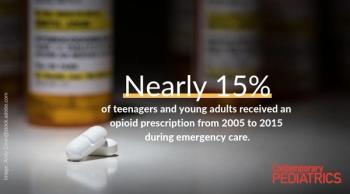
We know that there is so much for you to read and only so much time. To help you get through that stack of reading, we've picked 5 studies to highlight.
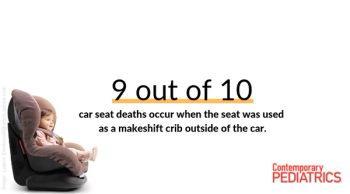
Here are the 6 news stories from the past week that you can't afford to miss.
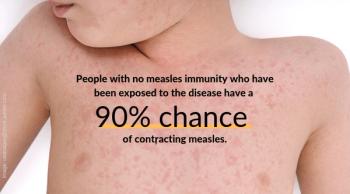
The rate of measles cases in the United States for 2019 has climbed to numbers unheard of in decades. Here are 10 facts to know and share with the parents in your practice about measles.

Do you talk to your pediatric patients about what they are watching on YouTube and other video sites? Maybe you should be.
A therapy dog program at a children’s hospital provides comfort for pediatric patients and families facing the unfamiliar and a sense of normalcy that makes a frightening hospital experience less so.