




Type 1 Diabetes
Latest News
Advertisement
Latest Videos







Shorts

0:32
Why our health care system is too siloed
3 months ago
by
Hannah Murphy, PhD

0:36
Why adolescents with diabetes struggle most
3 months ago
by
Hannah Murphy, PhD

0:39
What to do when a child screens positive
3 months ago
by
Hannah Murphy, PhD

0:47
The right way to screen for mental health
3 months ago
by
Hannah Murphy, PhD

0:31
1 in 4 diabetic kids have a mental health disorder
3 months ago
by
Hannah Murphy, PhD

0:38
Why pediatric diabetes care must include mental health screening
4 months ago
by
Hannah Murphy, PhD

0:47
A life-changing breakthrough for type 1 diabetes?
4 months ago
by
Rachael Sood, RN, MSN, APRN, NP-C, CDCES

0:48
Why injected insulin isn’t actually fast enough
a year ago
by
Michael Haller, MD(+1 more)
CME Content


Advertisement
More News

A study found no association with prenatal antibiotic use and only a modest, potentially confounded increase in type 1 diabetes risk following early childhood exposure.
FDA approved insulin glargine-aldy as an interchangeable biosimilar to Lantus for type 1 diabetes and adult type 2 diabetes.
FDA expands teplizumab (Tzeld) use to children as young as 1 year with stage 2 type 1 diabetes, aiming to delay progression to clinical disease.

Get caught up with Contemporary Pediatrics. This list helps you navigate our top stories from the week, all in one place.
Get caught up with Contemporary Pediatrics! This list helps you navigate our top stories from the week, all in one place.
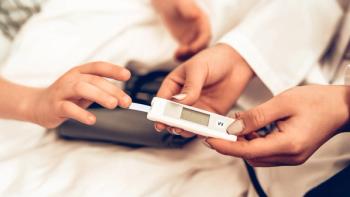
A study found that dried blood spot screening can identify presymptomatic type 1 diabetes in children, reducing the risk of diabetic ketoacidosis.

With the priority review, the Prescription Drug User Fee Act date is set for April 29, 2026, for potential approval in this younger indication.

Get caught up with Contemporary Pediatrics! This list helps you navigate our top stories from the week, all in one place.

Clinicians reviewed evidence linking delayed diagnosis of type 1 diabetes to lasting neurologic and metabolic consequences.
Experts discussed how the 3-stage model reframed type 1 diabetes as a condition that could be detected through earlier screening.
This introductory Special Report episode outlines how advances in staging and early detection are reshaping pediatric approaches to type 1 diabetes.

See the full case of our most recent puzzler quiz, and view the correct diagnosis of this slender teen with a growing abdomen and shrinking height.

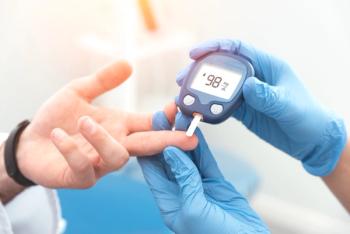
A review highlights the benefits and risks of artificial sweeteners in glycemic control, insulin sensitivity, and gut microbiota balance.

Explore groundbreaking therapies for type 1 diabetes that aim to delay onset, preserve β-cell function, and restore insulin independence.

FDA accepts MannKind’s sBLA for Afrezza in children and adolescents with diabetes.
The Phase 3 SURPASS-PEDS trial found tirzepatide improved glycemic control and weight outcomes in youth-onset type 2 diabetes, with benefits lasting one year.
Michael Haller, MD, tell providers they shouldn't be surprised if more children with T1D use inhaled insulin.
Michael Haller, MD, discusses inhaled insulin’s safety, off-label use, and future role in easing type 1 diabetes management for children.
Manufacturer MannKind has submitted a supplemental Biologics Application to the FDA for its inhaled insulin Afrezza.

Most youth with type 1 diabetes in sub-Saharan Africa lack autoimmune markers, suggesting a distinct, non-autoimmune form of insulin-deficient diabetes.
The FDA accepted Eton Pharmaceuticals' NDA for ET-600 for pediatric arginine vasopressin deficiency, with a target action date in February of 2026.

A 40-year study found that higher third-trimester glucose levels in insulin-dependent pregnancies were tied to increased obesity risk in adult offspring.

The FDA is warning diabetes patients that information from CGMs, insulin pumps, and automated dosing systems could fail to be delivered if smartphone settings are not properly configured.

Greg Forlenza, MD, highlights data from the CLVer trial that included advanced diabetes technology in newly diagnosed T1D patients.
Advertisement
Advertisement
Trending on Contemporary Pediatrics
1
The future of PMOS care: GLP-1 therapy and weight-loss caution
2
AAP expands RSV immunization recommendations for high-risk children
3
AAP recommends 2026-2027 COVID-19 vaccine for all infants 6 to 23 months and at-risk older children
4
HPV vaccination coverage stalls for fourth straight year as rural-urban gap persists, CDC finds
5