
The American Academy of Pediatrics (AAP) offers guidance on continuing obesity management during the current pandemic.
The American Academy of Pediatrics (AAP) offers guidance on continuing obesity management during the current pandemic.

The American Academy of Pediatrics (AAP) has updated their safety guidance for in-person schooling during the pandemic.

The COVID-19 pandemic has changed a lot of things, including nutrition. The American Academy of Pediatrics has issued interim guidance to help pediatricians guide families through this difficult time.

The American Academy of Pediatrics (AAP) has updated their guidance on participating in sports during the COVID-19 pandemic.
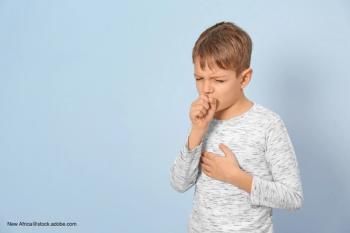
Recommendations on the diagnosis and management of community-acquired pneumonia.
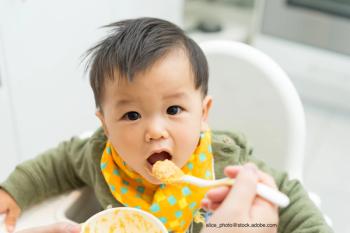
A close look at the dietary needs of infants and toddlers and the recent nutrition guideline update.
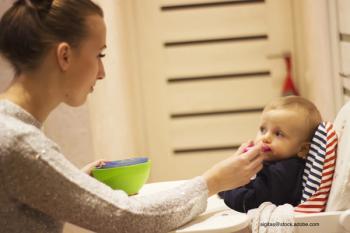
Expert weighs in on adoption of early feeding guidelines for peanut allergy avoidance.

As more children return to the pediatric office, the need to create safety protocols is imperative. The American Academy of Pediatrics (AAP) has created guidance for developing them.
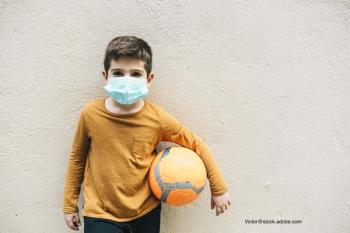
It’s not only professional sports leagues returning to the playing field. The American Academy of Pediatrics (AAP) has issued interim guidance to keep young athletes safe from COVID-19.
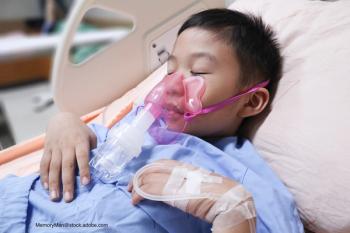
The American Academy of Pediatrics (AAP) has released interim guidance for multisystem inflammatory syndrome in children (MIS-C).

The American Academy of Pediatrics (AAP) has issued a statement on keeping children safe from the potential harms of advertising.
Children with ADHD often face other psychological or behavioral issues, and a new update to the clinical practice guidelines for the condition address how to manage them.
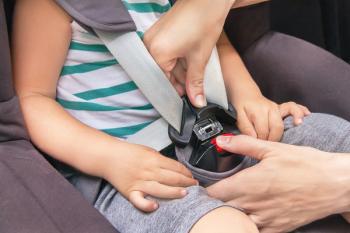
The American Academy of Pediatrics (AAP) now recommends that children remain rear-facing as long as their car seat allows.

New guidance for pediatric hypertension makes it easier for primary care physicians to identify children and adolescents with high blood pressure and manage them in an appropriate manner.
The American Academy of Pediatrics (AAP) has issued updated recommendations for media use by children that attempt to reconcile their increasing exposure to media with their developmental needs.
The topic of hypoglycemia in neonates and children has generated significant debate of late, with the American Academy of Pediatrics (AAP) and the Pediatric Endocrine Society (PES) having advanced apparently conflicting guidelines. Here's what community pediatricians need to know to avoid overscreening healthy infants and children without discharging babies who may have glucose-regulation problems beyond the first days of life.
Sometimes babies briefly stop breathing. Sometimes they can turn shades of blue. Sometimes, these things are not serious. The American Academy of Pediatrics (AAP) is recommending a new, less threatening label for such events, in hopes of reducing unnecessary treatment and stress.
The Advisory Committee on Immunization Practices (ACIP) has updated the federal immunization guidelines, including more nuances of the guidelines visually represented on the schedule to enhance clarity.
Pediatricians are now being asked to add depression, HIV, and dyslipidemia screening to preventive care visits, but guideline authors say the changes will help improve efficiency.
A roundup of new and updated guidelines that you may have missed.