

A look back at the latest clinical trial updates for the pediatric population during June 2026.
A look back at the latest clinical trial updates for the pediatric population during June 2026.

Among children treated with navepegritide throughout the double-blind period, mean TFA decreased from 9.1° at baseline to 7.7° at Week 52 and 6.9° at Week 104, a mean absolute change of −2.2° over 2 years.

FDA expands approval of roflumilast cream 0.3% for plaque psoriasis to children aged 2 years and older, offering the first topical PDE4 inhibitor.

A small study links sequential bilateral TMS to improved depression and suicidality scores in youth with TRD.
A look back at the latest clinical trial updates for the pediatric population during the second quarter (April-June) of 2026.

New AAP guidance recommends age-specific iron deficiency screening, updated ferritin thresholds, and simplified treatment strategies for children.
FDA approved risankizumab for children 6 and older with plaque psoriasis or psoriatic arthritis, adding a weight-based 55-mg syringe for those under 40 kg.

A look back at the FDA approvals, label expansions, and regulatory decisions in the pediatric health care space from April through June 2026.

A preview of 5 pending FDA decisions for pediatric patients expected in the second half of 2026, spanning ADHD, psoriasis, a metabolic gene therapy, cardiomyopathy, and muscular dystrophy.

A Nemours program trained pediatric residents to conduct autism evaluations, improving confidence and helping families access care sooner.

A multicenter trial found enhanced recovery protocols improved outcomes in pediatric GI surgery when implemented with high adherence.

A new child-protective lithium coin-cell battery reduced esophageal tissue injury in testing, but urgent treatment protocols remain unchanged.

BM-3103 received FDA Fast Track designation for epidermolysis bullosa simplex as a phase 2 trial evaluates safety and efficacy.
Teva's NDA for ecopipam rests on phase 3 data showing a 50% relapse-risk cut, potentially the first new pediatric Tourette mechanism in a decade.

Research suggests childhood factors linked to later menarche may contribute to a wide range of adult health conditions, from heart disease to tobacco use disorder.
FDA approved the first generic rifapentine for active and latent tuberculosis, expanding treatment options for eligible pediatric patients.

New Endocrine Society guidance recommends more individualized evaluation and treatment of central precocious puberty in children.

Researchers detected multiple endocrine-disrupting chemicals in breast milk and infant urine, highlighting early-life exposure during infancy.

In a parallel regulatory action, the European Medicines Agency has also validated a marketing application for Tivicay covering the neonatal indication.

New FDA-approved options for molluscum contagiosum—in-office cantharidin and at-home berdazimer gel—reduce stigma and avoid painful removal.

Jon Farber, MD, shares his thoughts on a contactless monitoring tool for sleep in Down's syndrome.

Get caught up with Contemporary Pediatrics. This list helps you navigate our top stories from the week, all in one place.
Cadrenal has announced that it plans to seek FDA Rare Pediatric Disease Designation for tecarfarin in children with Kawasaki disease and coronary aneurysms.

A new kids’ series brings fun, physician-led health lessons and representation to underserved families—boosting trust, curiosity, and literacy beyond clinics.

Baloxavir marboxil is a first-in-class cap-dependent endonuclease inhibitor that functions as a prodrug.

Newborn screening speeds SMA treatment, and a first prenatal risdiplam case hints at preventing motor neuron loss before birth.
The approval is based on data from the phase 3 STRIDE-13 trial.
Jon Farber, MD, shares his thoughts on managing renal stones.

New Brain Communications data show doxecitine and doxribtimine reduce mortality risk by up to 94% in early-onset thymidine kinase 2 deficiency.
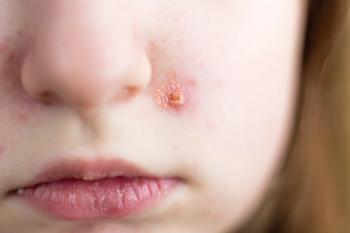
Learn how early detection and treatments for childhood eczema and hives can curb the atopic march and boost sleep, school, and quality of life.