

Many times, testing seems to be the easiest way to answer a clinical question, but judicious use of tests is the best approach. Here are some guidelines I have followed over the years.
Many times, testing seems to be the easiest way to answer a clinical question, but judicious use of tests is the best approach. Here are some guidelines I have followed over the years.

For Contemporary Pediatrics, Erin Bastick, PharmD, sat down with Roberta Michnick Golinkoff, PhD, to discuss the importance of play in a child's development and how pediatricians can help ensure that kids get what they need.

Concussions and other mild traumatic brain injuries are a fairly common issue in pediatric practice. For the first time, the CDC is offering evidence-based guidance to standardize diagnosis and management.

The American Academy of Pediatrics (AAP) now recommends that children remain rear-facing as long as their car seat allows.

‘Quality diagnostic reasoning’ curbs medical diagnostic errors.
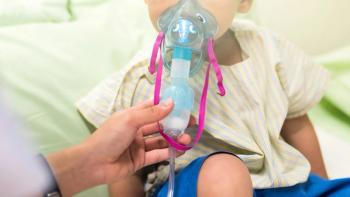
A new study has identified a higher risk of severe respiratory syncytial virus (RSV) infection-with higher hospitalization and mortality rates-in children with Down syndrome.

Cigarette marketing has come a long way since the glamour ads of the past, Joe Camel, and the Marlboro Man, but there are new challenges on the horizon-fighting the international reach of social media campaigns and a rise in the use of e-cigarettes by teenagers.

A new report offers the definitive finding of any connection between prenatal Tdap vaccination and autism.

A new study reviewed rates of sexual activity and condom use in states that have passed legislation on HPV vaccine education. Here’s what researchers found regarding the prevalence of risky behaviors.
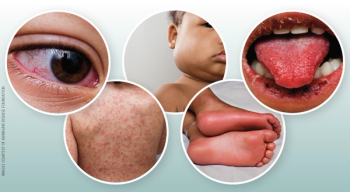
Pediatricians must suspect Kawasaki disease (KD) in children with prolonged unexplained fever. This article reviews the latest scientific statement on KD from the American Heart Association that is of practical importance for all clinicians.

Pediatricians need to document visits correctly to ensure continuity of care and to bill appropriately. Are you confident your office notes will pass muster with those inevitable insurance company audits?
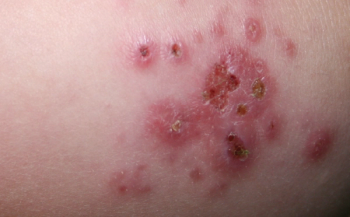
A previously healthy 8-year-old boy presents to the dermatology clinic with a progressively worsening elbow rash over the course of the last week. The rash does not itch. He spent the previous weekend sailing on the Chesapeake Bay. His pediatrician prescribed a course of cephalexin as well as a trial of topical antiviral ointment, neither of which improved the rash. The patient denies any other new exposures.

By the time most of us become parents, we have been pediatricians for a while and do not find parenting all that scary. To get the right dose of empathy, think back to when we first started handling babies-in medical school. Here are some things I tell new parents.


At a minimum, the pediatrician should be familiar with genetic disease on the newborn screen and other genetic diseases they may see in their office. It’s also important to recognize the child with multiple medical issues who also may need referral to a genetic or metabolic specialist.
Most parents in a Facebook peer support group for parents using behavioral sleep interventions (BSIs) reported in an online survey that their infant cried significantly less by the end of 1 week of BSI implementation and that they achieved complete success within 2 weeks, regardless of which type of BSI they used.

The continuation of this informative article addresses treatments for nocturnal enuresis, constipation, UTIs, and extraordinary daytime urinary frequency in children.

A 16-year-old male with a history of nephrotic syndrome and gastritis presents to the emergency department (ED) with worsening emesis, diarrhea, and abdominal pain of 3-weeks’ duration.

Joining a global telehealth program can profoundly change a child’s life-and yours!

If it's been a while since you confidently knew your genotypes from your phenotypes, here are 6 questions to test your genetic knowledge and see how you stack against your pediatric peers.
Adhering to a 1-hour plan for blood culture collection, and administering fluids and antibiotics, helped improve outcomes across New York hospitals in pediatric sepsis cases.
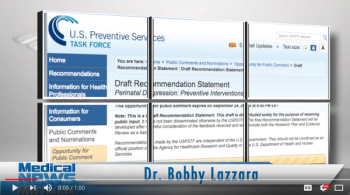
For Contemporary Pediatrics, Dr Bobby Lazzara discusses the draft statement from the US Preventive Services Task Force on the need to refer pregnant women at risk of perinatal depression to appropriate counseling.

Mental health is a critical component of pediatric overall health. Early recognition of subtle signs and symptoms of mental health problems followed by immediate treatment is an equally critical element to ensure the establishment of normal mental health throughout development.

Although digital media isn’t proven to cause attention-deficit/hyperactivity disorder (ADHD), researchers are now linking self-reported ADHD symptoms in some teenagers to heavy social media and other digital media use.

For teenagers’ developing minds and bodies, good food and activity choices are key to appropriate development. A new survey from the Centers for Disease Control and Prevention reveals trends that check how US teenagers are doing.


A new report highlights the fallout from a large-scale measles outbreak in New York City in 2013.

Food additives and chemicals in food containers and preparation have been linked to a host of health issues. Now, experts are urging pediatricians to talk to parents about reducing these exposures and to advocate for larger policy changes.

Pediatricians need to recognize symptoms of perinatal depression in new mothers, provide basic counseling and treatment, and refer for appropriate services when needed.