

New interim data from the on-going, long-term extension ADORING 3 study and from an integrated analysis of the entire ADORING development program revealed efficacy and safety using tapinarof cream 1% continued beyond 8 weeks of treatment.
New interim data from the on-going, long-term extension ADORING 3 study and from an integrated analysis of the entire ADORING development program revealed efficacy and safety using tapinarof cream 1% continued beyond 8 weeks of treatment.

The estimated efficacy of the vaccine against documented infection for children and adolescents during the Omicron wave was 74.3% and 85.5%, respectively.

In a recent panel, clinicians discussed rising cases of respiratory syncytial virus (RSV), vaccination challenges, and the urgent need for public awareness and intervention strategies in the 2023 to 2024 season.

Compared to placebo, linaclotide demonstrated a statistically significant and clinically meaningful improvement in spontaneous bowel movement(s) (SBM) frequency rate, and was subsequently approved by the FDA in June 2023.

MediWound Ltd is seeking to expand the label for NexoBrid, already approved for eschar removal in adult patients, to the pediatric indication after the FDA accepted a supplemental Biologics Application for this patient population.

A study revealed that higher maternal folic acid levels and frequent supplementation during pregnancy can significantly lower the risk of Kawasaki disease in infants, highlighting the potential protective role of folic acid.

Though more research is needed to determine reasons for the association, a study published in JAMA Network revealed the 2021-2022 influenza season was associated with a significantly higher household transmission risk compared to pre-pandemic seasons.

The study authors noted that without video evidence, seizures would not have been implicated in death investigations and that seizure-related deaths are underrecognized in patients with epilepsy and in those without.

Marstacimab reduced the annualized bleeding rate (ABR) by 35% and nearly 92%, respectively, compared to routine prophylaxis and on-demand treatment in hemophilia A and B patients without inhibitors, according to Pfizer.

“However, in older children, the decision to perform a lung biopsy should be carefully considered, weighting the potential benefits against the associated risks," stated the investigative team.

Berdazimer gel, 10.3% demonstrated positive, topline data in the phase 3 randomized clinical B-SIMPLE4 trial (NCT04535531) that featured a total of 891 patients aged 6 months or older who had 3 to 709 raised molluscum contagiosum lesions.

Review some of the top stories from the Contemporary Pediatrics website over the last week, and catch up on anything you may have missed.

In the final installment of our RSV Roundtable video series, our panel breaks down the importance of discussing new immunizations with patients now, and how crucial they will be in future RSV seasons.

Biopharmaceutical company, Invivyd, made the request to the FDA for its investigational antibody, VYD222.

Results demonstrated that caregiver burden scored a 2.14 on the caregiver burden scale, which is within the average burden level, though a higher burden of care is associated with a higher sense of loneliness. These results can help health care professionals develop a family-centered treatment plan.

A recent study by the CDC indicates differing rates of breastfeeding initiation among various racial and ethnic groups, underscoring the significance of meticulous data disaggregation for precise insights into public health.
New neonatal incubators from Drager and certain GE Healthcare incubators do not need to be run for a week prior to clinical use, according to a healthcare provider update from the FDA.

William Gallentine, DO, explains why he is excited for the year ahead when it comes to epilepsy treatment as new technologies emerge and the treatment landscape changes.

According to a recent study, young adults (aged 18-19 years) discontinue ADHD medication the most, compared to younger children.

In 43 of 154 school weeks, air samples were positive for influenza A virus (IAV) while SARS-CoV-2 was positive in air samples in 101 of 154 school weeks.

More than 675,000 cans of specialty infant formula for cow’s milk allergy have been voluntarily recalled by Reckitt/Mead Johnson Nutrition because of a possible contamination with Cronobacter sakazakii.

A discussion of the intense 2023 RSV season, approved treatment tools, and an outlook for 2024.
In the fourth installment of RSV Roundtable, our panel explains the challenges in protecting the senior population against RSV.

Candice Jones, MD, shares what she wants to continue into the new year when it comes to pediatric health care.

With useful tips from the American Academy of Pediatrics, parents can ring in 2024 the right way, with healthy digital habits, increased reading, and more family activities to benefit their children.

Tina Tan, MD, FAAP, FIDSA, FPIDS, discusses vaccine hesitancy and hopes to increase vaccination for preventable diseases in 2024.

Smartphone applications to estimate bilirubin levels correlate reasonably well with serum bilirubin levels, according to a meta-analysis of 14 studies.
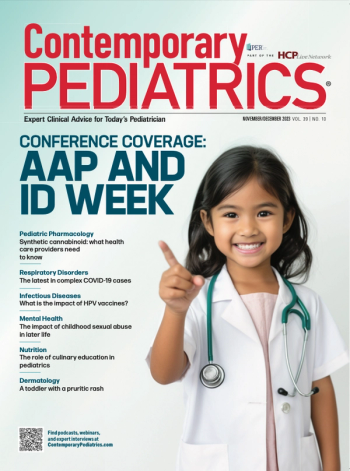
Donna Hallas, PhD, PPCNP-BC, CPNP, PMHS, FAANP, FAAN, offers her perspective on the latest articles from the November/December issue of Contemporary Pediatrics.
In the third installment of RSV Roundtable, our panel discusses the impact nirsevimab has had this RSV season.
Review some of the top stories from the Contemporary Pediatrics website over the last week, and catch up on anything you may have missed.