

Shreya Doshi, MBBS, FAAP, shares how routine screening appointments can serve as a good time to discuss environmental elements with families.
Shreya Doshi, MBBS, FAAP, shares how routine screening appointments can serve as a good time to discuss environmental elements with families.

Shreya Doshi, MBBS, FAAP, discusses how contamination could be reducing your practice's recycling impact.

The second episode in our series looks to address clinical management in a time when antimicrobial resistance appears to be growing.

Shreya Doshi, MBBS, FAAP, joined us to discuss some easy opportunities to reduce emissions in your practice and help improve health care sustainability.

This series looks to discuss several topics around these infections including diagnosis, treatment, challenges in managing UTIs in patients with dementia and neurogenic bladders, antibiotic resistance, and considerations for patients and caregiver engagement.

Matthew M. Davis, MD, MAAP, breaks down a newly-published study highlighting a potential association between COVID-19 vaccination and prevalence of symptomatic childhood asthma.

A discussion evaluating how social media can impact an individual's mental health, and what specific elements of social media could be causing it.

Shreya Doshi, MBBS, FAAP, explains what health care sustainability is and how the industry contributes to climate change.

How providers can advocate for increased research determining social media and its association with youth mental health.

A discussion and explanation of metatarsus adductus, why screening is important, and the UNFO brace for treatment.

Wendy Ripple, MD, provides suggestions for sunscreens in the pediatric population.
As children head outside for summer, providers can remind parents of some staple sun safety tips.

Courtney Nelson, MD, highlights the session she presented at the PAS annual meeting discussing racial and ethnic disparities for influenza vaccine delivery.

Data from the ongoing phase 1/2 CHORD trial was presented at the ASGCT annual conference.

Carissa M. Baker-Smith, MD, MPH, explains how a multidisciplinary team works together to diagnose and treat hypertension, as well as obesity in children.

A recap of the American College of Cardiology meeting and discussion of obesity and hypertension in the pediatric population.

A discussion based on an FDA-cleared objective ADHD diagnostic test developed by Qbtech.

Perry Roy, MD, explains how an FDA-cleared objective test can assist in an ADHD diagnosis.

Allison Scott, DNP, CPNP-PC, IBCLC, reviews the updated breastfeeding guidelines from the American Academy of Pediatrics.

Juanita Mora, MD, breaks down the FDA approval of benralizumab as an add-on maintenance therapy among patients with severe asthma aged 6 to 11 years.
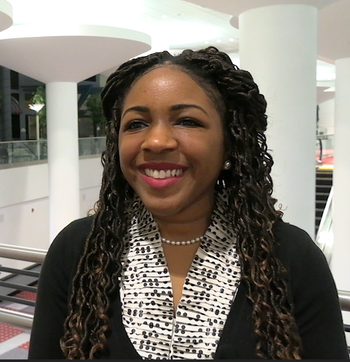
Natasha Hoyte, MPH, CPNP-PC, explains how important PrEP and PEP in school health programs can be for youth, and the crucial role awareness plays.

Lauren Flagg, DNP, APRN, CPNP-AC, discusses severe refractory status asthmaticus based on a session presented at the NAPNAP National Conference.

Chris Kyper, DNP, CPNP-AC/PC, breaks down characteristics of Heparin-induced thrombocytopenia, an uncommon adverse reaction to heparin.
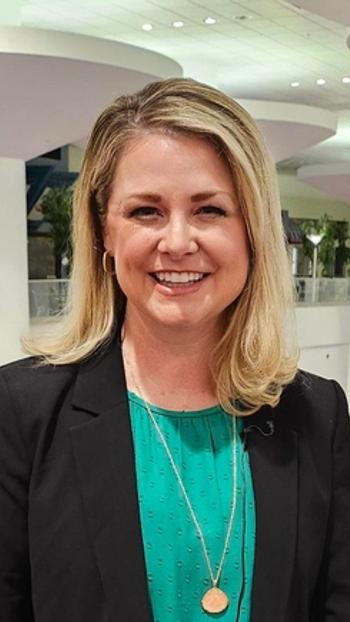
A discussion of human trafficking awareness and what primary care providers can do to spot red flags and implement evidence-based knowledge.

Sally Humphrey, DNP, APRN, CPNP-PC, discusses current technology to treat youth with diabetes. Humphrey highlights continuous glucose monitoring systems (CGMs) and how they have evolved and improved.
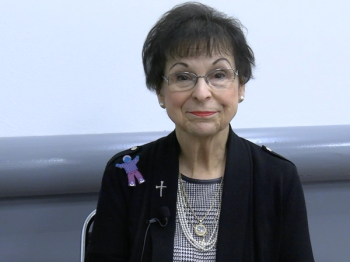
Mary Koslap-Petraco, DNP, PPCNP-BC, CPNP, FAANP, provided a review and reminder of the CDC immunization recommendations and schedule during her session at the 45th National Association of Pediatric Nurse Practitioners (NAPNAP) National Conference on Pediatric Health Care in Denver, Colorado.

Ashley Gyura, DNP, CPNP-PC, provides updates presented at the 2024 NAPNAP National Conference, highlighting antiviral therapeutics for influenza, COVID-19, and herpes, among others.
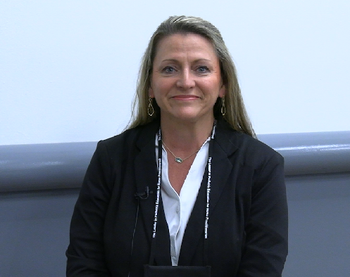
What genetic red flags are associated with congenital heart disease? Jennifer Joiner, MSN, CPNP-AC/PC, joined Contemporary Pediatrics at the 45th NAPNAP National Conference to discuss the answer.

A discussion regarding current substance use trends for youth in the United States.
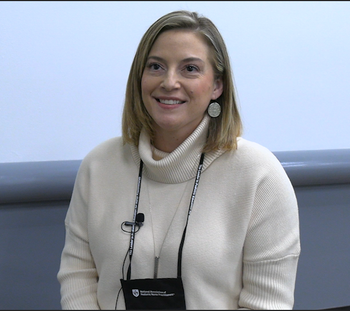
Traci Gonzales, MSN, APRN, CPNP-PC, explains her session presented at the 2024 NAPNAP National Conference, highlighting the ability to diagnose and manage uncommon causes of chronic respiratory symptoms.