

Opinion|Videos|February 9, 2026
Adherence, Specialty Pharmacies, and the Future of Precision Pediatric Care
Author(s)Adelaide A. Hebert, MD, Autumn Atkinson, MD
Examine adherence challenges, specialty pharmacy support, and emerging precision medicine approaches in pediatric atopic dermatitis and psoriasis.
Advertisement
Episodes in this series
Even the most advanced treatment plan is ineffective without adherence. In the final video in this series on management of atopic dermatitis and psoriasis in pediatric patients, Adelaide Hebert, MD, professor and director of pediatric dermatology at McGovern Medical School at UTHealth Houston, notes that when children fail to improve despite appropriate therapy, she often suspects barriers such as treatment fatigue, cost, or confusion about application. Collaboration with Autumn Atkinson, MD, associate professor in the Department of Pediatrics at McGovern Medical School at UTHealth Houston, allows primary care clinicians to reinforce plans, assess real-world use, and communicate findings back to dermatology.
The faculty also discuss the growing role of specialty pharmacies in pediatric dermatology, particularly for biologics and newer topical agents. These services assist with prior authorizations, copay support, and medication delivery. Hebert and Atkinson view patient-driven requests prompted by direct-to-consumer advertising as opportunities for education and shared decision-making, while emphasizing that therapy choices must remain evidence-based and individualized.
In the concluding segment of this series, Hebert and Atkinson look ahead to emerging precision-medicine tools that may help match pediatric patients with optimal targeted therapies. They reiterate that most pediatric inflammatory dermatoses remain clinical diagnoses but acknowledge a role for biopsy and advanced testing in complex cases. The discussion closes by underscoring the importance of strong pediatrician–dermatologist partnerships in translating therapeutic advances into better long-term outcomes.
Advertisement
Related to this article

Review some of the top stories from the Contemporary Pediatrics website over the last week, and catch up on anything you may have missed.
Learn when your baby is ready for solids, choose safe purees or finger foods, prevent choking, prioritize iron, and introduce allergens confidently.

Christina Boull, MD, shares recommendations for infant skin care, including choosing gentle cleansers, avoiding irritants, and supporting the skin barrier.
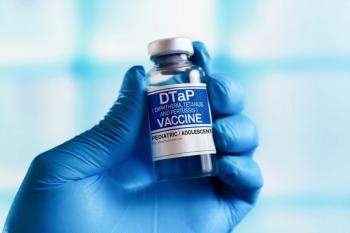
Completing the DTaP primary series was 96.2% effective against pertussis in Alaska children aged 6 months to 6 years during a record 2024 outbreak.

Keisha L. Gibson, MD, MPH, discusses the FDA approval of Gazyva for childhood-onset INS and its implications for relapse prevention and pediatric care.

Hai D. Nguyen-Tran, MD, discusses clinical signs, neurologic warning symptoms, supportive care, and preventing the spread of hand, foot, and mouth disease.

Topical botanical Cinainu earned FDA Breakthrough Therapy status for AA in patients aged 2+, supported by phase 2/3 RAAINBOW data in children.
The FDA accepted the Anaphylm NDA resubmission as a class 2 response, setting a March 16, 2027, PDUFA date for the sublingual epinephrine film.
Advertisement
Advertisement
Trending on Contemporary Pediatrics
1
Hand, foot, and mouth disease: Red flags pediatricians should know
2
DTaP 96% effective against pertussis in Alaska outbreak
3
Early choline in FASD tied to IQ, memory gains 5 years later
4
AI fundus model predicts 1-year high myopia progression in children
5