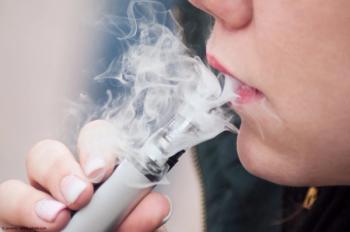
In a cross-sectional study of 48,118 pediatric primary care encounters, e-cigarette-only household exposure was associated with more asthma flares and activity-related symptoms.
A study found that children exposed to both home dampness and higher PM2.5 levels face a significantly greater risk of asthma.
In an interview with Contemporary Pediatrics®, Akihiro Shiroshita, MD, MPH, a PhD student at Vanderbilt University, discussed the importance of evaluating indoor and outdoor environmental exposures together when assessing childhood asthma risk.1,2
Traditionally, many studies have examined these exposures separately, despite the reality that children are simultaneously exposed to multiple environmental factors. For example, a child living in a damp home may also be exposed to outdoor air pollution. According to Shiroshita, studying these exposures in isolation fails to reflect real-world conditions and may underestimate their combined effects.
To address this gap, Shiroshita and colleagues analyzed data from approximately 6,000 children across 9 US cohorts participating in the National Institutes of Health–supported Environmental influences on Child Health Outcomes (ECHO) consortium. This large, diverse research program is designed to examine how early-life environmental exposures influence child health across varied social, economic, and biological backgrounds.
The study found that greater exposure to fine particulate matter (PM2.5), a history of home water damage, and the absence of dogs in the home were each independently associated with an increased risk of childhood asthma. Notably, children exposed to both home dampness and elevated PM2.5 levels faced an even greater asthma risk than those exposed to either factor alone, suggesting additive or synergistic effects.
These findings underscore the importance of considering multiple environmental exposures simultaneously when identifying at-risk children and developing asthma prevention strategies. Shiroshita emphasized that prevention efforts may be more effective if they account for the combined impact of indoor and outdoor conditions.
The study had limitations, including a sample size insufficient to fully assess dust mite allergens and limited ability to explore nuances of pet ownership, such as differences between dogs and cats and their time spent indoors vs outdoors. Future research is needed to clarify these complex environmental interactions and further inform targeted asthma prevention efforts.
No relevant disclosures.
References
Access practical, evidence-based guidance to support better care for our youngest patients. Join our email list for the latest clinical updates.
Subscribe