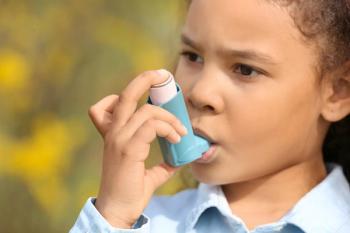
The FDA accepted the Anaphylm NDA resubmission as a class 2 response, setting a March 16, 2027, PDUFA date for the sublingual epinephrine film.
DBV filed a BLA for the Viaskin peanut patch in peanut-allergic children aged 4-7, citing phase 3 VITESSE data, and requested priority review.
Young children with peanut allergy may gain a noninvasive immunotherapy option after DBV Technologies submitted a biologics license application (BLA) to the FDA for the Viaskin peanut patch in patients aged 4 through 7 years.¹ The patch uses epicutaneous immunotherapy (EPIT), delivering microgram amounts of peanut protein through intact skin to progressively desensitize patients.¹ The company has requested priority review, and the FDA previously granted the patch breakthrough therapy designation.¹
“The submission of our BLA brings VIASKIN Peanut Patch, a non-invasive, practical treatment option, one step closer to being available for children ages 4 through 7 living with peanut allergy, and marks a significant milestone in DBV’s transformation into a commercial organization,” said Daniel Tassé, CEO of DBV Technologies. “This BLA reflects years of rigorous clinical development, meaningful contributions from the entire food allergy community, and ongoing collaboration with the FDA. We are grateful for the Agency’s constructive engagement over the last few months and look forward to working closely with them during the review process.”
The BLA is supported by VITESSE (NCT05741476), a global, randomized, double-blind, placebo-controlled phase 3 trial that enrolled 654 children aged 4 to 7 years at 86 sites in the US, Canada, the UK, Europe, and Australia.¹ Participants were randomly assigned 2:1 to the 250-µg patch or placebo for 12 months and could then enter an open-label extension offering up to 3 years of total treatment.¹
The primary endpoint was the between-group difference in responder rates at 12 months, assessed by double-blind, placebo-controlled food challenge. Responders were children with a baseline eliciting dose (ED) of 30 mg or less who reached an ED of at least 300 mg of peanut protein, or children with a baseline ED of 100 mg who reached at least 600 mg.²
At 12 months, 46.6% of children receiving the patch met responder criteria vs 14.8% receiving placebo (difference, 31.8%; 95% CI, 24.5%-39.0%; P < .001), exceeding the prespecified 15% lower bound.² Additional analyses presented at the 2026 American Academy of Allergy, Asthma & Immunology Annual Meeting showed consistent effects across baseline ED strata: 49.3% vs 14.7% among children with a baseline ED of 30 mg or less, and 43.1% vs 14.6% among those with a baseline ED of 100 mg. Roughly 83% of treated children increased their ED at month 12, compared with about 48% of placebo recipients.³
The most common treatment-emergent adverse events were mild to moderate application-site skin reactions.² Discontinuations due to adverse events occurred in 3.2% of the active group and 0.5% of the placebo group; treatment-related anaphylaxis occurred in 0.5% of treated children, no treatment-related serious adverse events were reported, and adherence was 96.2%.²
This is DBV's second pursuit of US approval. In August 2020, the FDA issued a complete response letter for an earlier application, citing efficacy concerns tied to patch adhesion; the company subsequently redesigned the patch before conducting VITESSE. That same year, the FDA approved the first peanut allergy treatment, the oral immunotherapy Palforzia.⁴
The endpoint measures desensitization under controlled challenge conditions, not sustained unresponsiveness or peanut consumption. According to DBV, the responder thresholds were chosen to reflect increases in tolerance that could lower the risk of reactions from accidental exposure.² Fewer than half of treated children met those thresholds, however, so clinicians counseling families should frame EPIT as a risk-reduction strategy used alongside, not in place of, avoidance and epinephrine readiness. The once-daily, non-oral format may appeal to families for whom oral immunotherapy dosing is burdensome, though head-to-head comparisons with oral immunotherapy are lacking.
Full VITESSE results have not yet appeared in a peer-reviewed journal, and data beyond 12 months will come from the open-label extension, which lacks a placebo comparator.² The requested indication is limited to children aged 4 through 7 years; DBV is separately studying the patch in toddlers aged 1 through 3 years.¹ The FDA has not yet announced whether it will accept the application or grant priority review.