News|Videos|December 22, 2025

Daniela Carvalho, MD, highlights Cochlear Nucleus Nexa System

Daniela Carvalho, MD, explained how the FDA-approved Nexa cochlear implant system may reduce interruptions in hearing for children while reinforcing the need for infection prevention.

Key takeaways:

  • The Nexa system’s internal memory may reduce time without sound if a pediatric processor is lost or damaged.
  • Upgradeable implant firmware allows future innovations to reach both implant and processor.
  • Immunizations and prompt treatment of ear infections remain critical for children with cochlear implants.

The recent FDA approval of the Cochlear Nucleus Nexa System introduces new technological capabilities for pediatric cochlear implant recipients, including internal memory and upgradeable implant firmware. Daniela Carvalho, MD, MMM, pediatric otolaryngologist; director, Cochlear Implant Program, Rady Children’s Hospital, San Diego, California, discussed how these features may address long-standing challenges in pediatric hearing care, particularly for children who rely on uninterrupted access to sound for speech and language development.

Cochlear implants are indicated for children aged 9 months and older with bilateral severe to profound hearing loss who do not benefit from hearing aids. Carvalho explained that cochlear implant systems consist of both internal and external components, with the external sound processor traditionally responsible for storing individualized hearing settings.

“If they lose it, or if something happens to that external part and they need a new one, they have to see audiology again to get it remapped or recalibrated for them,” she said, noting that delays can leave children without sound during critical developmental periods. “One of the features is that it has memory on the internal part,” she said. “Kids lose their external processor very often, and if that happens, with Nexa, they can get a new processor…because it has a memory, it will start making it work like the old one was.” She emphasized that reducing time without auditory input is particularly important for children acquiring speech and language.

Carvalho also highlighted the system’s upgradeable firmware, which allows future technological advances to be delivered through the implant itself.

“Imagine our phones, for example—you can do that by just doing an upgrade on that firmware,” she said. “We [didn't have that] before the Nexa.” She added that the smaller and thinner internal and external components may improve comfort and usability for pediatric patients.

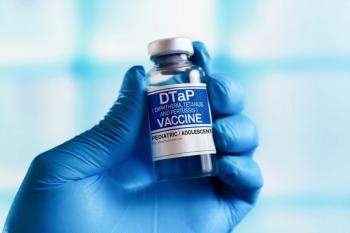
Preventing infections via immunization

Beyond device innovation, Carvalho stressed the importance of infection prevention in children with cochlear implants. She noted that historical data linked older implant designs to an increased risk of pneumococcal meningitis, prompting immunization recommendations that remain relevant today. “One thing that I would say for the general practitioners and pediatricians is to make sure that they assess their immunization records,” she said, emphasizing pneumococcal vaccines as well as protection against Haemophilus influenzae.

Carvalho also advised clinicians to manage ear infections more proactively in this population. “I would be more aggressive in treating acute otitis media in children with cochlear implants,” she said, citing the goal of preventing complications such as mastoiditis or meningitis. Together, she noted, advances in implant technology and vigilant preventive care can support better long-term outcomes for pediatric cochlear implant recipients.

Reference:

Cochlear Launches World's First and Only Smart Cochlear Implant System. Cochlear North America. Press release. July 8, 2025. Accessed December 22, 2025. https://www.prnewswire.com/news-releases/cochlear-launches-worlds-first-and-only-smart-cochlear-implant-system



Newsletter

Access practical, evidence-based guidance to support better care for our youngest patients. Join our email list for the latest clinical updates.