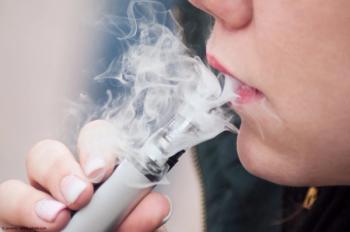
In a cross-sectional study of 48,118 pediatric primary care encounters, e-cigarette-only household exposure was associated with more asthma flares and activity-related symptoms.
Children exposed to both household dampness and higher PM2.5 levels in early life face a significantly increased risk of developing asthma.
The odds of asthma incidence are significantly increased in children raised in homes with water damage or dampness and exposed to greater air pollution during early childhood, according to a recent study published in Environmental Epidemiology.1
According to investigators, this is one of the clearest looks provided at how childhood asthma is impacted by early-life environmental factors. This highlights the need to assess indoor and outdoor environments together rather than in isolation.
“Our research shows that to truly understand and prevent childhood asthma, we need to look at a child’s full environment—both the air they breathe outside and the conditions inside their home,” said Akihiro Shiroshita, MD, MPH, study author from Vanderbilt University School of Medicine.
The study was conducted to determine the impact of indoor home exposures and ambient particulate matter with an aerodynamic diameter ≤2.5 µm (PM2.5) toward childhood asthma onset.2 Participants were obtained from 9 Environmental influences on Child Health Outcomes study birth cohorts in the United States.
Of these cohorts, 4 required parental history of asthma or allergy for inclusion. Birth between 1987 and 2016 was also necessary, while exclusion criteria included not being followed after aged 1 month and not having covariate data.
Water damage or home dampness during infancy and childhood was the primary indoor exposure, as reported on the earliest postnatal questionnaire. Additional indoor exposures reported on the questionnaire included dog in the home during infancy and cat in the home during infancy. These exposures were reported as binary variables.
The earliest postnatal child bed or floor dust mite allergen levels of Der f 1 or Der p 1 μg/g was also reported. Categories of this variable included under 10 µg/g or at least 10 µg/g. Outdoor PM2.5 was reported as the primary outdoor exposure, determined based on the longitudinal participant residential addresses in the first 3 years of life.
The time to first childhood asthma diagnosis within the first 5 years of life was reported as the primary outcome, while the time to asthma diagnosis within the first 12 years of life was reported as the secondary outcome. This was determined based on caregiver report.
There were 6413 children across 9 birth cohorts included in the final analysis, 20.3% to 50.3% of whom developed childhood asthma within the first 5 years of life. The 10th percentile of PM2.5 exposure was 9.21 µg/m3 in the first 3 years, vs the 90th percentile at 15.9 µg/m3.
A significant increase in childhood asthma diagnosis risk was reported among children with PM2.5 exposure and water damage or home dampness, with an HR of 1.49 for 10th to 90th percentile change. However, a protective association was reported when a dog was present in the home, with an HR of 0.81.
The HR for having a cat in the home was 0.93, indicating no significant effect. Dust mite exposure also did not have a significant effect, with an HR of 1.20. These indoor exposure associations were in the same direction when adjusting models for PM2.5 exposure. Overall, the data highlighted a combined impact of PM2.5 exposure and water damage or home dampness.
“Our study results support the assessment of multiple exposures, such as PM2.5, home dampness, and the absence of dogs in the home, together as risk factors for asthma,” wrote investigators.
Reference
Access practical, evidence-based guidance to support better care for our youngest patients. Join our email list for the latest clinical updates.
Subscribe