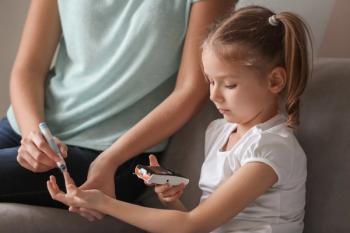
In a meta-analysis of 46 RCTs, behavioral interventions modestly improved HbA1c in youth with T1D; family-focused approaches worked best.
A pediatric First Seizure Clinic model reduced time to specialist evaluation to days, enabling earlier diagnosis, testing, and treatment decisions.
Delays in subspecialty evaluation following a child’s first seizure remain a persistent challenge in pediatric neurology, with potential consequences for diagnosis, treatment initiation, and long-term neurodevelopmental outcomes. New research presented at the American Epilepsy Society (AES) Annual Meeting suggests that a dedicated First Seizure Clinic (FSC) model may substantially reduce these delays and improve early clinical decision-making.1
Investigators evaluated outcomes from the FSC at Dayton Children’s Hospital, a specialized outpatient clinic designed to rapidly assess children after a first seizure and initiate appropriate diagnostic testing and management. Between January 2017 and April 2025, 1,622 children were evaluated a median of six days after referral, a markedly shorter timeframe than the weeks or months often seen in traditional referral pathways.
“Speedy access to epilepsy specialists can change the course of a child’s care and life,” said Howard P. Goodkin, MD, PhD, FAES, president of the American Epilepsy Society. Early evaluation allows clinicians to stratify recurrence risk, distinguish epileptic from nonepileptic events, and initiate treatment when indicated, all while reducing uncertainty for families.
At the Dayton Children’s FSC, all patients undergo electroencephalography at the initial visit, with many receiving additional testing, including long-term EEG monitoring and brain magnetic resonance imaging. More than 20% of patients were diagnosed at the first visit with epilepsy or a specific epilepsy syndrome, including generalized epilepsy, febrile seizures, and absence epilepsy. Other patients were identified as having seizure-like activity or convulsive events requiring further follow-up.
“The saying ‘time is brain’ usually refers to stroke, but it also applies to epilepsy,” said Gogi Kumar, MD, FAES, senior author of the study and attending physician at Dayton Children’s Hospital. Even short delays in diagnosis and treatment, particularly in pediatric patients, may negatively affect cognitive development, seizure control, and overall health, while timely intervention may reduce the risk of injury and sudden unexpected death in epilepsy (SUDEP).
Although First Seizure Clinics have demonstrated benefits in adult populations, pediatric data have been limited. The Dayton Children’s experience provides one of the first large-scale evaluations of access and early diagnostic yield in children following a first seizure. In the below Q&A, Kumar discusses the rationale behind the FSC model, key operational considerations, and how pediatric centers may adapt this approach to improve timely epilepsy care.
Gogi Kumar, MD, FAES: In 2017, our wait time for child neurology appointments was more than 90 days, and we wanted to create a process that would ensure that children with suspected seizures and new-onset epilepsy could be seen as soon as possible. This would help allay anxiety for the parents and improve clinical outcomes for these patients.
Kumar: We had 2 half days in the clinic reserved for the first seizure clinic each week. Referrals are sent via emergency rooms, urgent cares, and primary care physicians in the area. We had a comprehensive marketing blitz when we initiated the first seizure clinic in 2017, so everyone is aware of the process. The referrals are internally triaged in neurology. We ensure that the referrals meet the clinical presentation for the first seizure clinic so that we can ensure optimal utilization of our resources. The triage nurse calls the family, records a preliminary history, schedules an hour-long appointment with the neurologist, and orders an EEG on the same day of the appointment. During the first visit, the EEG is read by the neurologist, and a clinical evaluation is performed. Further testing is ordered if needed, and a diagnosis is provided. We also have a social work consult to identify social determinants of health. If a diagnosis of epilepsy is confirmed, seizure education is provided along with a seizure action plan if needed.
Kumar: Studies have shown that early diagnosis and management of epilepsy lead to better clinical outcomes.2
A landmark study by Dr. Anne Berg showed that diagnostic delays occur in many young children with epilepsy. They are associated with substantial decrements in development and IQ later in childhood. Several factors influence diagnostic delays and may represent opportunities for intervention and improved care. I believe that early access to FSC helps mitigate the downstream effects on development.3
Kumar: More than 60% of patients received orders for further testing to further elucidate the diagnosis if it was not clear at the first visit. Moreover, if it was ascertained that the patient had another diagnosis example syncope, the appropriate referrals and clinical management were initiated.
Kumar: We are still collecting the data on specific barriers. Anecdotally, insurance issues, medication pre-authorization, and transportation are the most frequently encountered barriers.
Kumar: Careful triaging of the referrals so that the resources are utilized properly, social work consult, and an initial EEG at the time of the visit should be prioritized. Moreover, there should be buy-in from the entire team, as their commitment to the FSC will make this clinic sustainable and successful.
References