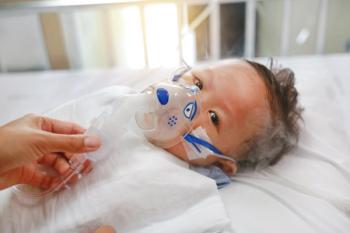
The team’s secondary outcomes they assessed included ED revisits that did not involve subsequent hospitalization. They also recorded hospitalizations and the dispensation of medications which were not recommended by national guidelines, including corticosteroids, albuterol, and antibiotics.
The investigators looked into potential links between follow-up visits and later hospital reutilizations, using multivariable Cox proportional hazard models. The team’s models considered follow-up meetings to be time-varying exposures and they adjusted for several variables.
These variables included age, region, year, sex, weekend discharge, previous outpatient and ED visit history, prior outpatient visits for bronchiolitis that occurred recently, and diagnostic and treatment procedures done at the time of index ED visits.
Overall, out of the total 28,338 ED discharges the investigators observed involving 27,000 unique subjects, the team found that 63.3% were less than 1 year old, and 58.8% were male. They concluded that there were recorded follow-up visits within 7 days for 47.6% of the total discharges.
Over the study period, the proportion of discharges with follow-up decreased from 48.9% in 2018 to 43.4% in 2021. Various demographic and clinical factors were found to be associated with follow-up visits.
Within a week after discharge, the investigators noted, 17.6% of the total discharges led to an ED revisit. The team also found that 5.2% of these cases resulted in later hospitalizations.
The team also noted that follow-up meetings were not shown to be linked to ED revisits (adjusted hazard ratio [HR], 1.09; 95% CI, 0.93-1.27). They did find that they were positively associated with later hospitalization (adjusted HR, 1.41; 95% CI, 1.20-1.65).
Additionally, the investigators found that prescriptions for corticosteroids, albuterol, and antibiotics were shown to have been filled more commonly by children that had follow-ups. Specifically, among children attending these follow-ups, the investigators reported that 5.4% filled prescriptions for corticosteroids, 12.2% for albuterol, and 18.5% for antibiotics following their follow-ups.
“Given that follow-up visits are common, vary in frequency according to visit characteristics, have uncertain benefits, may result in overtreatment, and carry costs to families and the health care system, prospective investigation is warranted to determine which children with bronchiolitis may benefit from routine follow-up,” they wrote.
References
- Shapiro DJ, Bourgeois FT, Fine AM, et al. National Patterns of Outpatient Follow-Up Visits After Emergency Care for Acute Bronchiolitis. JAMA Netw Open. 2023;6(10):e2340082. doi:10.1001/jamanetworkopen.2023.40082.
- Coon ER, Destino LA, Greene TH, Vukin E, Stoddard G, Schroeder AR. Comparison of as-needed and scheduled posthospitalization follow-up for children hospitalized for bronchiolitis: the Bronchiolitis Follow-up Intervention Trial (BeneFIT) randomized clinical trial. JAMA Pediatr. 2020;174(9):e201937. doi:10.1001/jamapediatrics.2020.1937.
This article was initially published by our sister publication, HCP Live®.