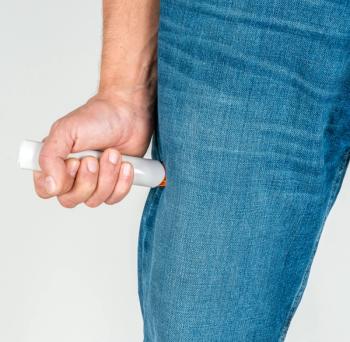
Schools without stock epinephrine were over 4 times as likely to lack a device in an allergic emergency, a survey of 349 school nurses found.
Review some of the top stories from the Contemporary Pediatrics website over the last week, and catch up on anything you may have missed.
Review some of the top stories from the Contemporary Pediatrics website over the last week, and catch up on anything you may have missed.
Thank you for visiting the Contemporary Pediatrics® website. Take a look at some of our top stories from last week (Monday, November 9 to Friday, November 13, 2026) and click each link to read and watch anything you may have missed.
The FDA is reviewing a serious malignancy risk tied to onasemnogene abeparvovec (Zolgensma), the one-time gene therapy for spinal muscular atrophy, after postmarketing reports confirmed that the therapy's vector had integrated near the GLI1 oncogene in two treated patients. A third case of GLI1-related tumor is still being investigated. Novartis has disclosed nine total tumor reports among more than 6,000 patients treated since the therapy's 2019 approval. The agency says the risk extends to the newer intrathecal version, Itvisma, because it shares the same vector, though no tumors have been reported with that formulation so far. FDA stresses that the therapy's benefits still outweigh its risks for approved uses, but it is evaluating whether labeling changes or other regulatory action are needed. A key caveat: the findings come from spontaneous postmarketing reports, which can't establish how common the risk actually is, and causality has only been confirmed in two of the nine cases.
A CDC surveillance analysis found that carbapenemase-producing carbapenem-resistant Enterobacterales (CP-CRE) infections in U.S. children climbed 92% from 2019 to 2024, outpacing even the 51% rise in CRE overall. The surge was driven by a more than fourfold increase in NDM-producing CRE, which has now overtaken KPC as the most common carbapenemase type found in pediatric cases. Infants had the highest infection rates, and chart reviews showed most affected children had underlying conditions such as cardiovascular disease, neurocognitive conditions, or cancer, often alongside ICU stays or healthcare received outside the U.S. The authors flagged a real treatment gap: the one newer drug with activity against NDM-producing organisms, aztreonam-avibactam, is currently approved only for patients 18 and older. The researchers note their national estimates relied on a convenience sample and unadjusted rates, so the numbers should be read as a signal rather than a precise national count.
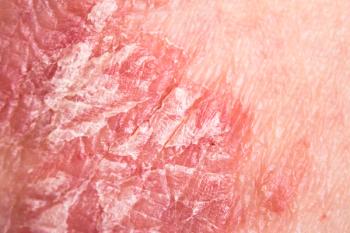
Full results from the phase 3 OptIMMize-1 trial, which supported the FDA's June 2026 approval of risankizumab for children 6 and older with moderate to severe plaque psoriasis, show high rates of skin clearance that held up through a full year of treatment. Among children aged 6 to under 12, 90% achieved clear or almost-clear skin at week 16, with similar response rates maintained or improved by week 52. In adolescents, risankizumab performed comparably to ustekinumab on most measures at week 16, though complete clearance (PASI 100) was numerically higher with risankizumab, a comparison the trial wasn't specifically designed to test. No new safety signals turned up, and among adolescents who stopped treatment and later flared, most regained control after 16 weeks back on the drug. Two serious adverse events, a fracture and a case of suicidal ideation in a teen with pre-existing depression, were both judged unrelated to the medication.
A 12-state analysis of more than 71,000 children who had common inpatient operations, including appendectomy, hernia repair, and feeding tube placement, found that roughly 1 in 8 lived more than 60 miles from the hospital where they were treated. Compared with children living within 30 miles, this group had 21% higher adjusted odds of complications, about 13% longer hospital stays, and roughly 9% higher charges. However, the complication finding lost statistical significance once researchers adjusted for differences between states, and the study's lead author cautioned against reading the results as proof that distance itself causes worse outcomes. Children who traveled farthest were also younger, more often from rural areas, and more often transferred from another facility, meaning case complexity rather than travel alone may explain some of the gap. The authors are calling for stronger referral partnerships between local and regional hospitals and better transportation or telemedicine support for families who must travel.
A post hoc analysis of a 52-week open-label safety study found that cariprazine was associated with improvement in both manic and depressive symptoms in youth aged 10 to 17 with bipolar I disorder, regardless of which symptom type dominated at the start of treatment. Improvement was statistically significant by week 4 and persisted through week 52. By the end of the study, the group that started with predominant mania saw response and remission rates near 70%, while the predominantly depressive group saw lower rates, generally in the 40%-to-50% range. Side effects were common in both groups, with discontinuation due to adverse events affecting roughly 6% to 12% of participants, and somnolence, weight gain, and akathisia among the more frequently reported issues. An important limitation for prescribers: cariprazine's pediatric approval currently covers only acute manic or mixed episodes, not bipolar depression, pending results from a dedicated placebo-controlled depression trial.